Grace Rose Farm • Perennial Library
Growing Iris: A Guide to Species, Style, and Care
Elegant, architectural, and endlessly diverse—iris bring structure and color to the late-spring garden like few other perennials can.
Iris are one of those plants that feel both timeless and modern. Their sword-like foliage adds strong vertical lines, while their blooms—often ruffled, intricate, and richly colored—feel almost sculptural. But “iris” isn’t just one plant. Different species have very different needs, especially when it comes to moisture, planting depth, and site selection.
Garden Truth
Not all iris are grown the same
Some iris love dry, sunny borders. Others thrive in consistently moist or even boggy soil. Knowing which species you’re planting is the key to success.
The Main Iris Species (and How to Grow Each)
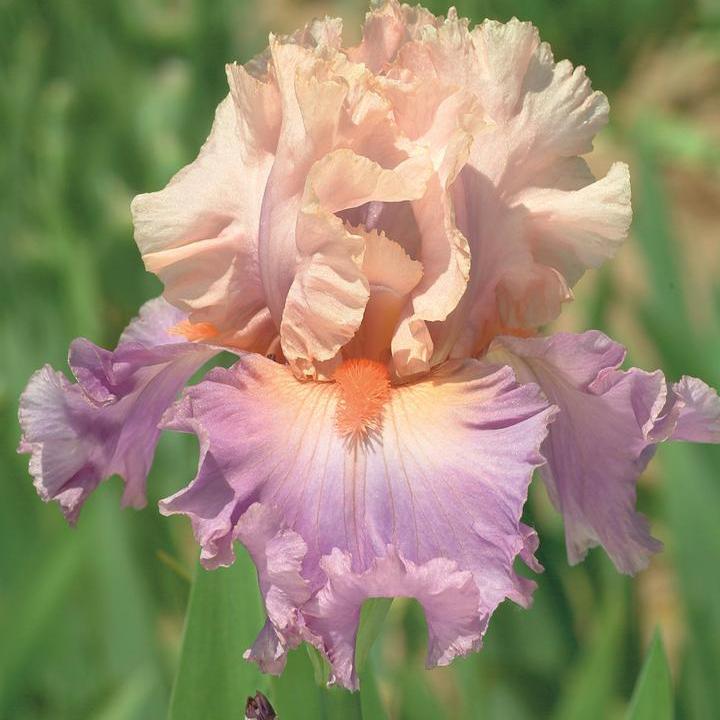
Bearded Iris (Iris germanica)
The classic garden iris, known for dramatic ruffled petals and the fuzzy “beard” on each fall.
-
Bloom time: Late spring to early summer
-
Flowers: Large, ornate, often fragrant
-
Foliage: Blue-green, sword-like
-
Height: 18–40 inches (variety dependent)
How to grow: Full sun, excellent drainage. Plant rhizomes shallow with the tops exposed to sunlight.
Siberian Iris (Iris sibirica)
Graceful and refined, Siberian iris offer smaller but elegant flowers and grassy, flowing foliage.
-
Bloom time: Late spring
-
Flowers: Delicate, flat-faced blooms
-
Foliage: Narrow, fountain-like leaves
-
Height: 24–36 inches
How to grow: Full sun to light shade. Enjoys evenly moist soil but adapts well to average garden conditions.
Blue Flag Iris (Iris versicolor)
A North American native iris that thrives where many others struggle—along pond edges, rain gardens, and wet soils.
-
Bloom time: Late spring to early summer
-
Flowers: Blue to violet with intricate veining
-
Foliage: Upright, reed-like leaves
-
Height: 24–36 inches
How to grow: Full sun to partial shade. Thrives in consistently moist or even saturated soils.
Japanese Iris (Iris ensata)
Known for enormous, flat, plate-like blooms, Japanese iris bring a refined, almost artistic presence to the garden.
-
Bloom time: Early to mid summer
-
Flowers: Large, flat, often dramatically veined
-
Foliage: Tall, arching, elegant leaves
-
Height: 30–48 inches
How to grow: Full sun, rich soil, and consistent moisture—especially during spring growth and bloom.
General Iris Care Essentials
Sunlight
Most iris perform best in full sun. Some species tolerate light shade, but bloom is always strongest with ample light.
Water
Water needs vary by species—bearded iris prefer drier conditions, while Japanese and native iris want steady moisture.
Soil
Drainage is critical for rhizomatous iris. For moisture-loving species, rich soil that holds water without stagnation is ideal.
Fertilizing
Use a low-nitrogen fertilizer in early spring. Too much nitrogen encourages leaf growth at the expense of flowers.
Common Issue
Lots of leaves, no flowers?
This often points to too much shade, excess nitrogen, overcrowded clumps, or—most commonly for bearded iris—rhizomes planted too deeply.
Dividing and Long-Term Maintenance
Iris benefit from regular division, usually every 3–5 years. Crowded plants bloom less and are more prone to disease.
When to divide
- Late summer is ideal for most iris
- After flowering and active growth slows
- Early enough for roots to establish before winter
How to divide
- Lift the clump carefully
- Trim foliage back to 6–8 inches
- Discard old, woody centers
- Replant healthy divisions at proper depth