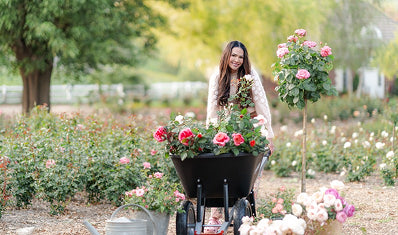
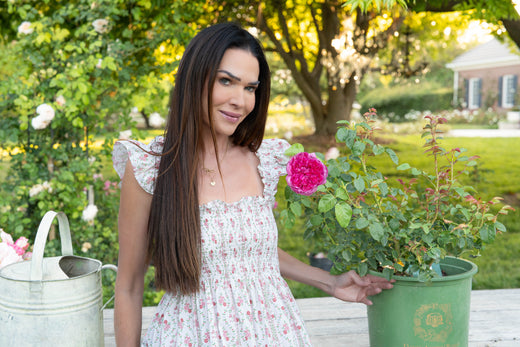
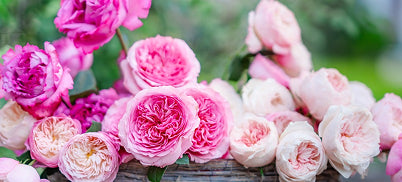
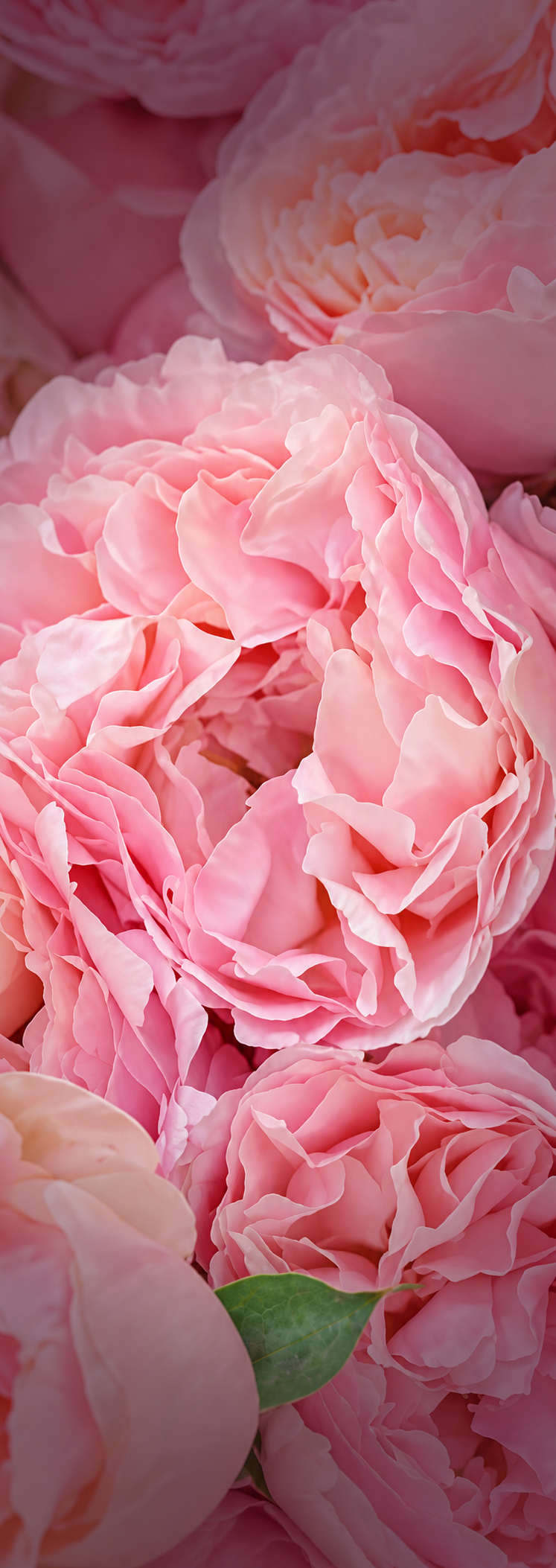
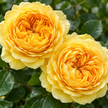
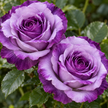
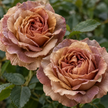
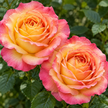
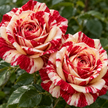
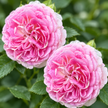
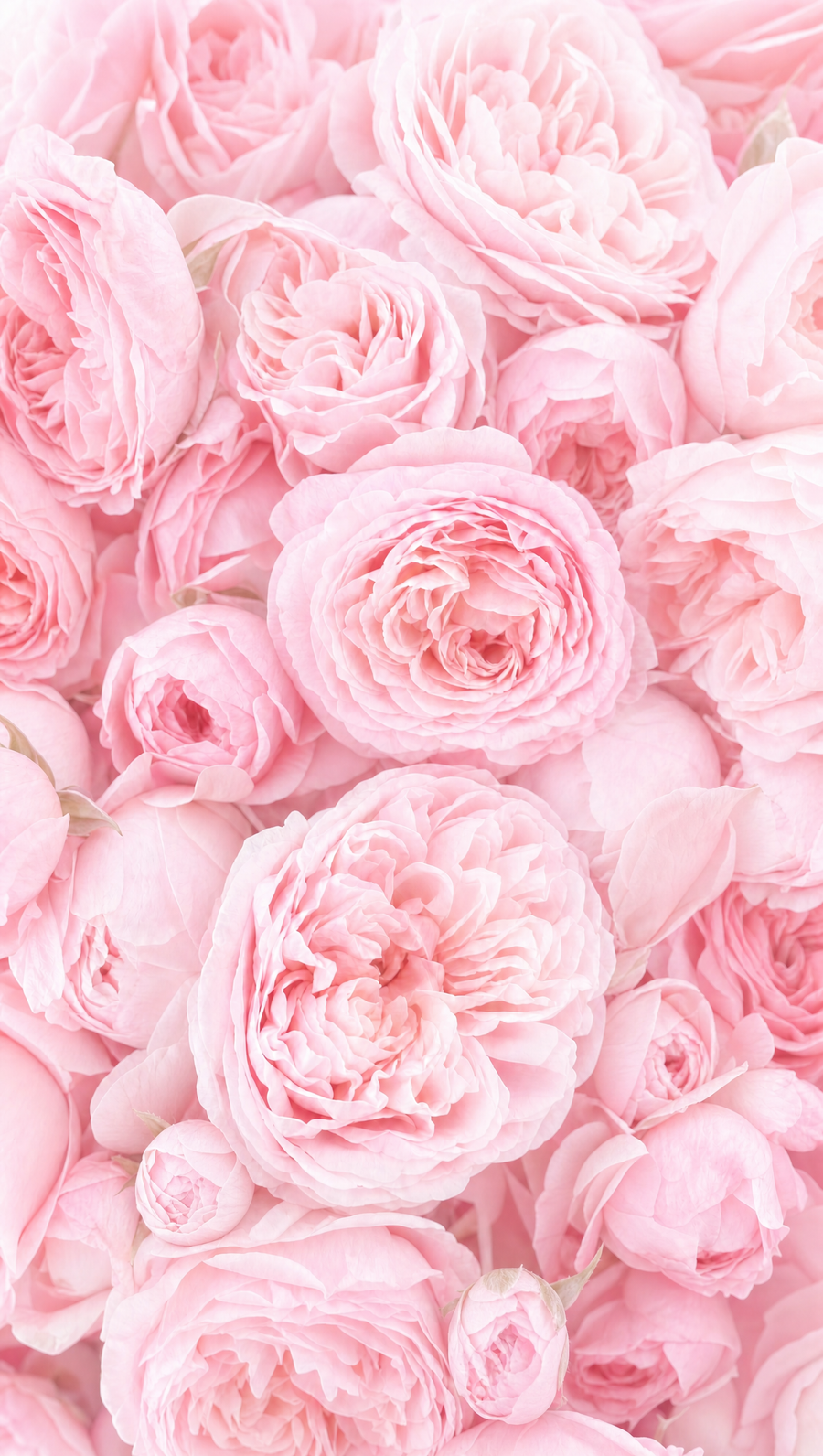
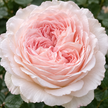
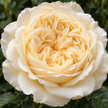
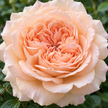
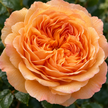
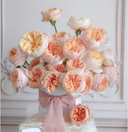
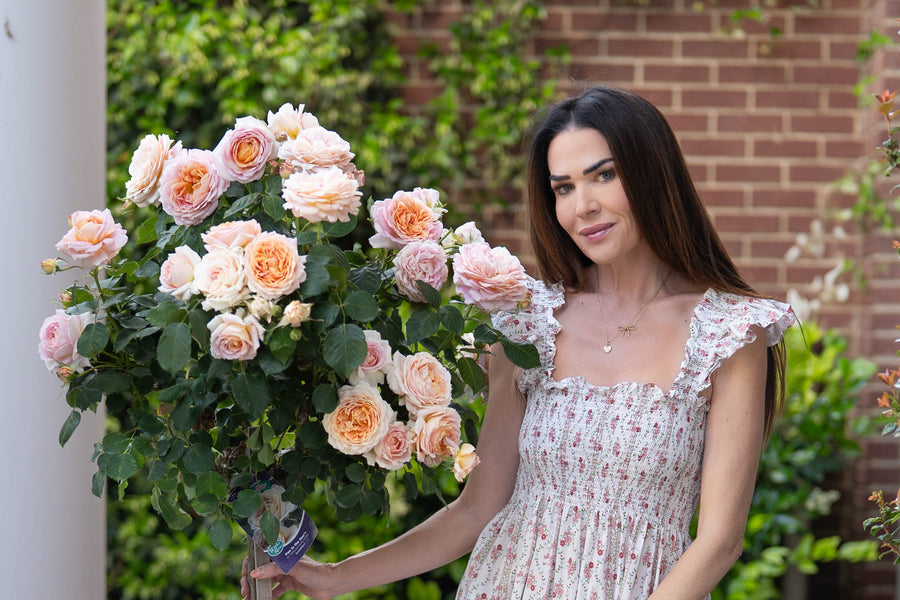
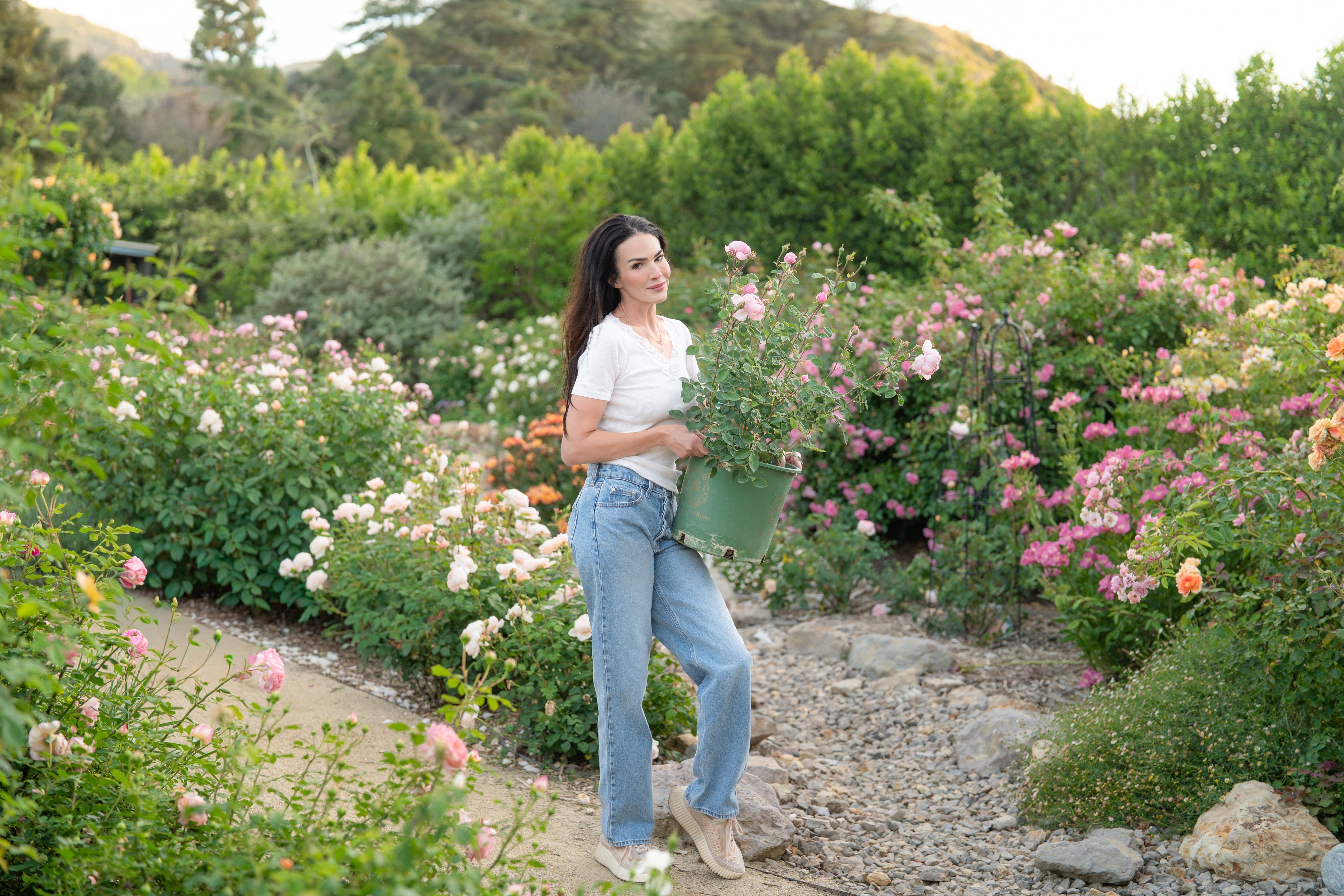
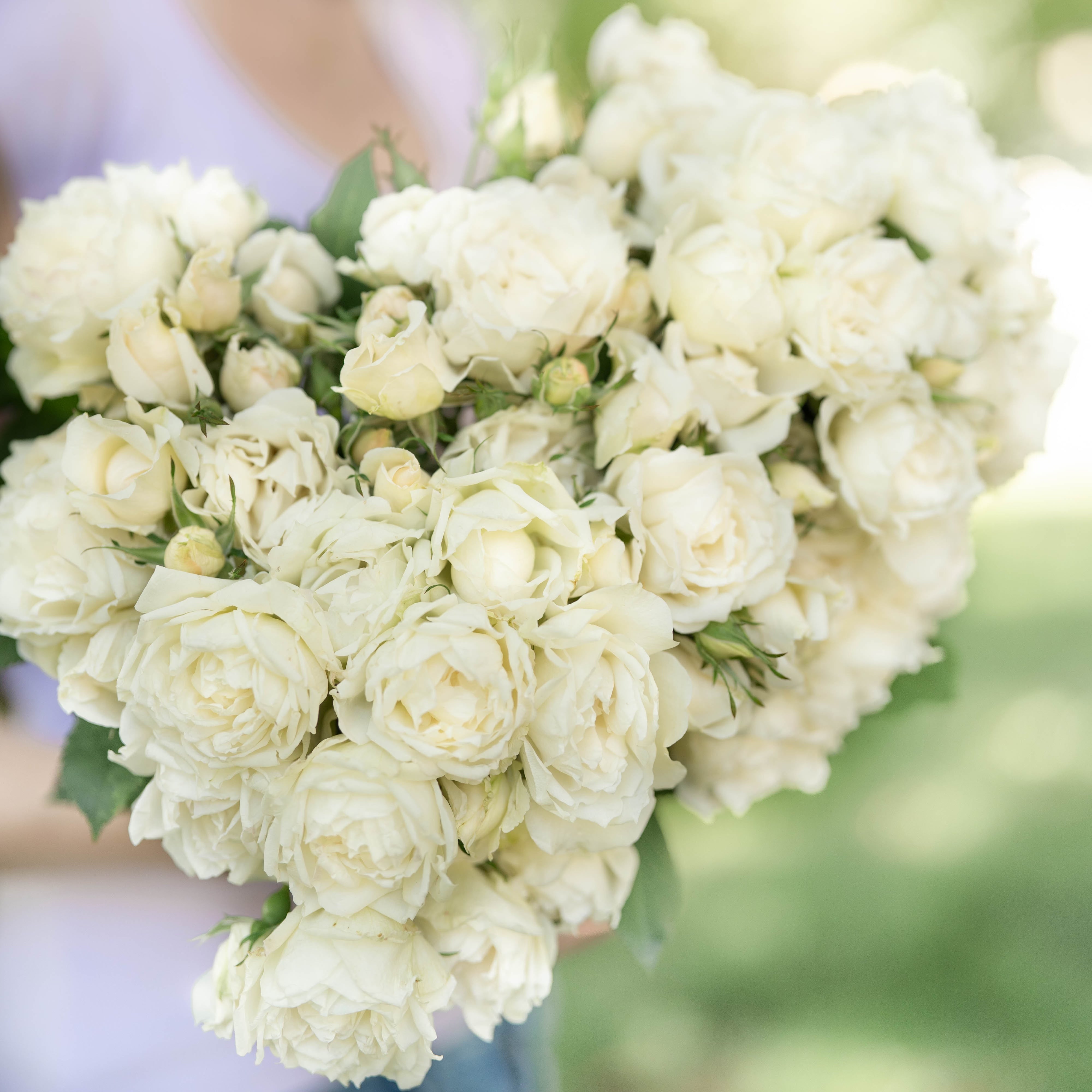
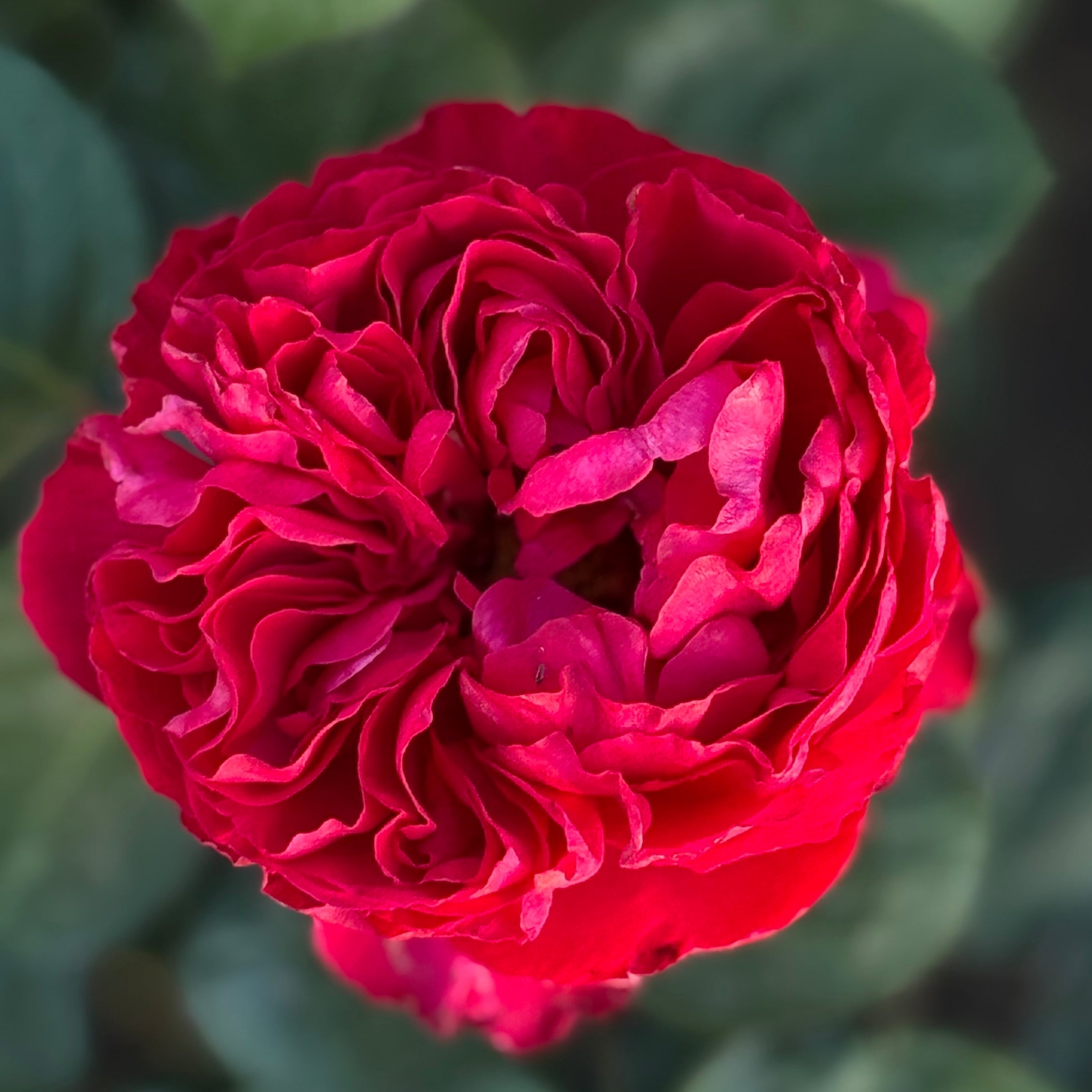
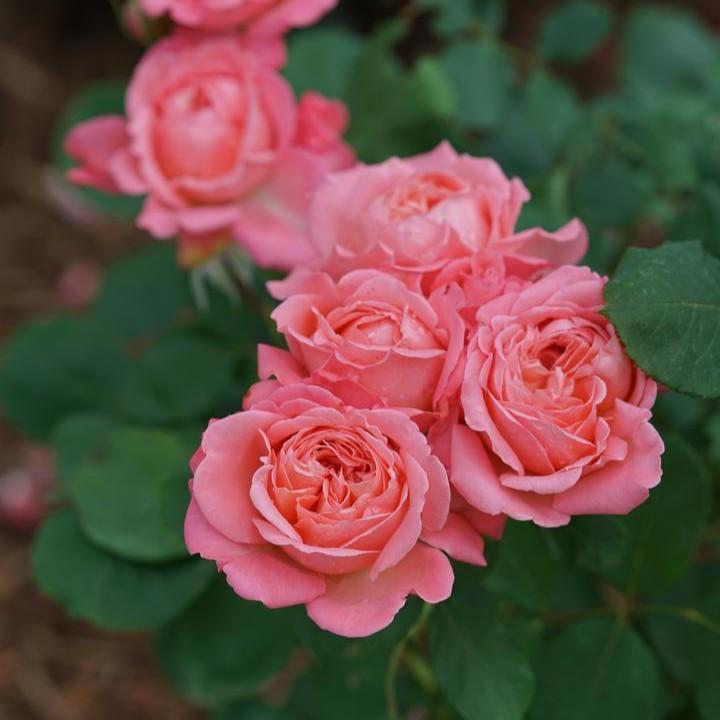
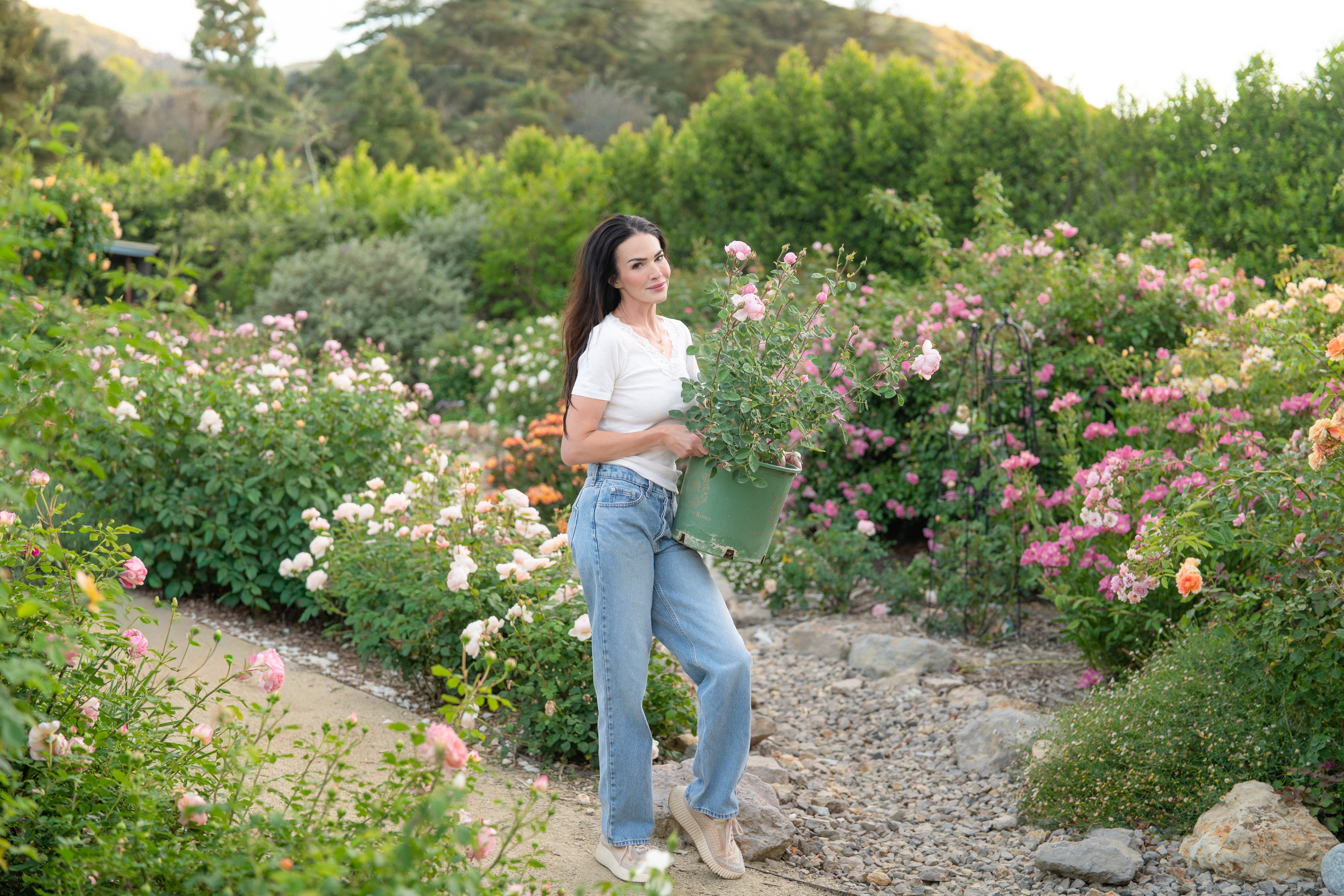
Bred in England over sixty years, David Austin® roses pair the full, romantic form and deep fragrance of old garden roses with the repeat flowering and colour range of modern ones.
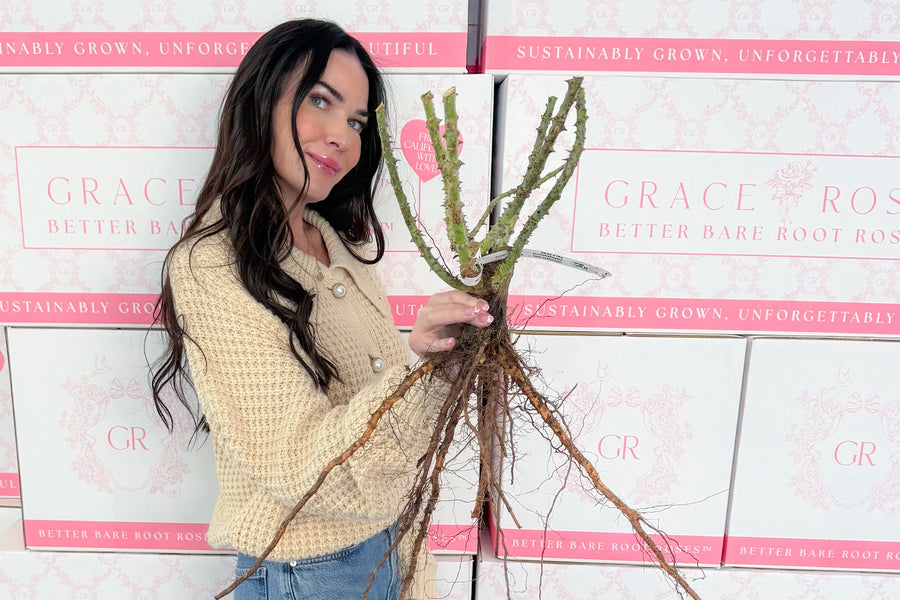
They earn their place twice over, shrubby and generous in the border, and long-lasting once cut for the house. We carry them both own-root and budded, grown and shipped from California.
Official David Austin® Retail Partner
One of the most comprehensive selections of authentic David Austin® roses in America.
A Guide to Lilacs: Species, Color, and How to Grow Them
From old-fashioned heirloom panicles to compact modern rebloomers—here’s how to choose the right lilac, grow it beautifully, and keep it blooming for generations.
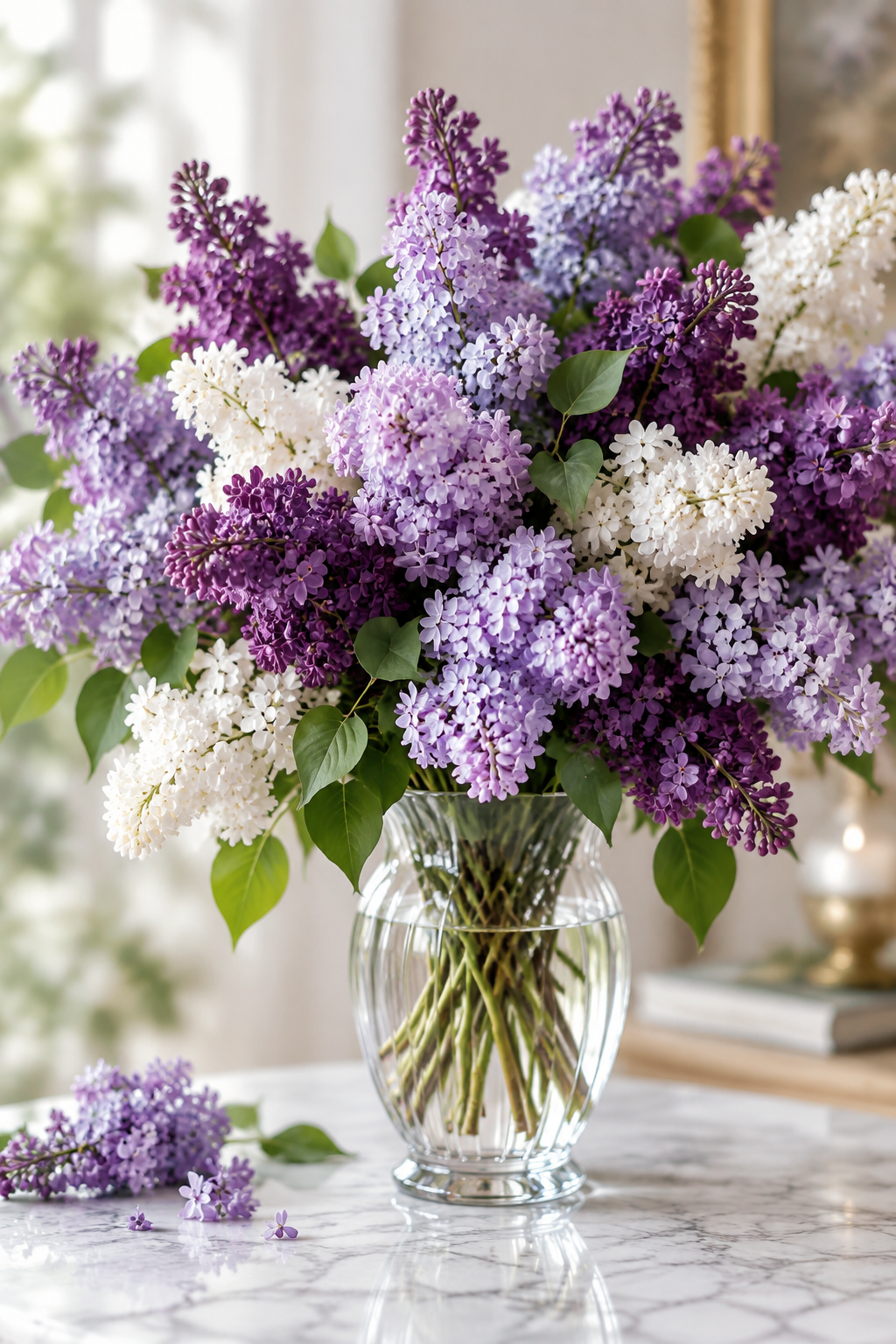
Lilacs are one of spring’s most beloved flowering shrubs—romantic, nostalgic, and wonderfully fragrant. But not all lilacs are the same.
Different species bring different bloom times, fragrance intensity, mature size, and garden uses. Once you know what you’re looking at,
lilacs suddenly become very easy to pick (and even easier to love).
Grace Rose Tip
Before you plant
Lilacs are sun-lovers and airflow fanatics. If you give them full sun, well-drained soil, and
room to breathe, they’ll reward you with big bloom and fewer issues—especially mildew.
The Main Species of Lilacs (and How They Differ)
Common Lilac (Syringa vulgaris)
The classic heirloom lilac—big panicles, traditional fragrance, and a presence in the landscape that feels timeless.
Fragrance: Strong, classic lilac scent
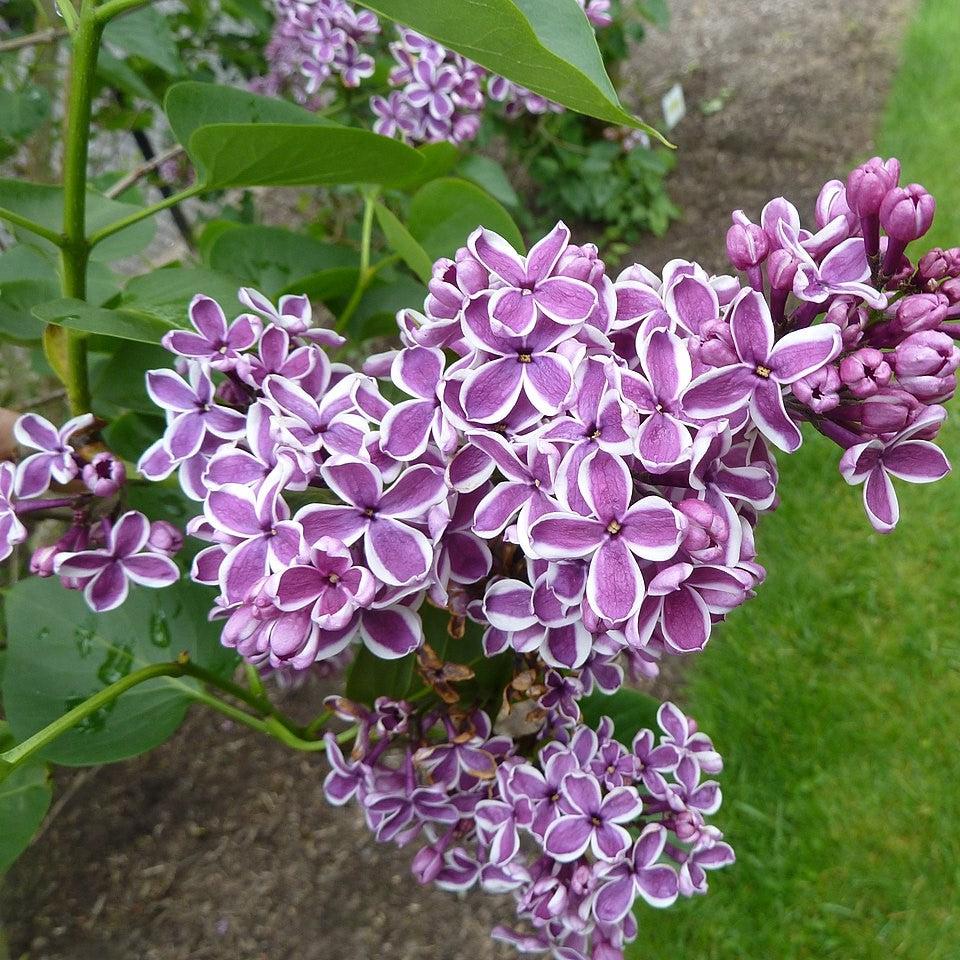
Flowers: Large panicles; purple, lavender, white, pink, and bi-colors
Mature size: Often 10–15 ft tall and wide
Best use: Hedges, screens, background plantings
Bloom time: Mid to late spring
Grow it best: Full sun, excellent drainage, and cold winters help drive reliable bloom.
Hyacinthaflora Lilacs (Syringa × hyacinthiflora)
Early-blooming hybrids with soft, refined panicles—often the first lilacs to open, especially in cooler climates.
Fragrance: Typically moderate to strong
Flowers: Elegant panicles; often richly colored buds
Mature size: Roughly 8–12 ft
Best use: Early-spring impact, mixed shrub borders
Bloom time: Early spring
Grow it best: Great choice for colder regions where late frosts can be a thing—these tend to be tough.
Korean Lilacs (S. meyeri & S. patula)
Compact, tidy, and incredibly landscape-friendly—perfect for smaller gardens, patios, and foundation plantings.
Fragrance: Often strong and sweet
Flowers: Smaller clusters, abundant bloom
Mature size: Usually 4–8 ft (variety dependent)
Best use: Small gardens, entryways, containers (large pots)
Bloom time: Mid spring
Grow it best: Give it sun and airflow—many Korean types have excellent mildew resistance.
Other Lilac Types to Know
These aren’t always what people picture as “lilac,” but they’re absolutely worth knowing if you’re choosing for space, bloom time, or form.
Japanese Tree Lilac(S. reticulata): small tree form, creamy blooms, great as a specimen
Chinese Lilac(S. × chinensis): graceful arching habit, soft lavender-pink blooms
Preston Lilacs(S. prestoniae): later bloom, cold hardy, soft pastel tones
Design note: Tree lilacs are lovely when you want lilac bloom without a huge shrub footprint.
How to Grow Lilacs (The Basics That Make or Break Bloom)
Light
Full sun is non-negotiable for heavy bloom: aim for 6–8+ hours daily.
Soil
Lilacs prefer well-drained soil. They dislike constantly wet roots.
Water
Water deeply while establishing. Once mature, lilacs are fairly resilient, but bloom improves with consistent moisture during spring growth.
Airflow
Good airflow helps reduce powdery mildew and keeps foliage healthier through summer.
Fertilizing
Go easy. Too much nitrogen can mean lush leaves and fewer flowers. Compost in early spring is often enough.
Mulch
Mulch helps even moisture, but keep it a few inches away from the trunk/crowns to prevent rot.
Troubleshooting
“My lilac won’t bloom!”
Not enough sun (most common)
Pruned at the wrong time (removed buds)
Too much nitrogen fertilizer
Plant is still young / recently transplanted
Severe late frost damaged buds
How Lilacs Develop Their Color
Lilac color is shaped by genetics first—but weather and site conditions can influence how saturated the blooms appear.
It’s common for flowers to open deep in bud and soften as they mature.
What deepens color
Cooler spring temperatures
Full sun exposure
Steady moisture during bud swell
Healthy, balanced soil (not overly rich in nitrogen)
What can soften color
Heat spikes during bloom
Excess shade
Drought stress in spring
Rapid petal aging in warm, windy conditions
Garden Science
Why buds can look darker than open flowers
Many lilacs show their most intense pigment in tight bud. As petals expand and reflect more light, the bloom often reads softer and more pastel.
That “fade” is normal—and part of what makes lilacs look dreamy in the garden.
Pruning Lilacs: The Timing Rule You Must Follow
Important
Prune right after bloom—because lilacs set next year’s buds in the fall
Lilacs bloom on old wood. After flowering, they grow and mature new shoots through summer, then set
flower buds in late summer and fall. If you prune in fall, winter, or early spring, you’ll remove the buds—no blooms.
After bloom: what to do
Snip off spent flower clusters (optional but tidy)
Remove a few of the oldest stems at the base to renew the shrub
Open the center slightly for airflow
Keep the natural form—avoid shearing
Big, overgrown lilacs
Rejuvenate gradually over 2–3 years by removing up to 1/3 of the oldest stems each year (right after bloom).
This keeps you from sacrificing all flowers at once.
Best result: A lilac with mixed-age stems blooms heavier and stays healthier.
New Lilac Series to Know: New Age®, Scentara®, and Bloomerang®
New Age®
A modern take on lilacs—compact and landscape-friendly, selected for strong garden performance.
Compact habit for smaller spaces
Improved disease resistance
Excellent fragrance (variety dependent)
Great for foundation and mixed borders
Scentara®
Chosen for fragrance first—these are the lilacs you plant near a gate, patio, or front walkway so you can actually smell spring.
Intense fragrance focus
Rich, saturated color selection
Improved mildew resistance
Perfect for sensory gardens
Bloomerang®
The rebloomer—spring bloom with repeat flowering later in the season under good conditions.
Spring bloom + repeat cycles later
Compact habit
Great for gardeners wanting extended interest
Best rebloom with sun, moisture, and light feeding
Care note: Rebloom is strongest when the plant isn’t stressed—consistent care makes a difference.
Quick Pick Guide
Big heirloom presence:S. vulgaris
Early bloom: Hyacinthaflora types
Small gardens: Korean lilacs
Fragrance showcase: Scentara®
Modern compact landscape: New Age®
Longest season: Bloomerang®
Our Enchating World of Garden Roses
Read Our Latest Blogs
From nurturing rose care and elegant floral design to companion plants and more, our blog is a beautiful home for everything roses.
Growing Bare Root Lilacs
Shop our Collection of Bare Root Lilacs
Few flowers make spring feel quite as personal as lilacs. Their fragrance carries memories of cottage gardens, bouquets on the kitch...
Why Gardeners Choose Grace Rose Farm for David Austin® Roses
If you’ve followed Grace Rose Farm for any length of time, you probably already know how much I love David Austin® roses.
In fact, David...
UC Davis' Climate-Ready Landscape Trials found that many modern roses can remain beautiful, healthy, and floriferous even under reduced irrigation. Through the university's Blue Ribbon™ program, ro...
Rose History
The Red Rose Legacy of Chester County
From mail-order nursery catalogs to the rise of Star Roses, Peace, Knock Out®, and the romantic tradition of Red Rose Rent Day.
Some places s...
Grace Rose Farm Rose Stories
The Story Behind the Reminiscent® Roses
How Pheno Geno Roses Helped Bring Old-World Romance Back to Modern Gardens
There’s something deeply emotional about a rose...
For many years, when Ryan and I were farming garden roses, something very special happened every spring.
As April arrived and the season began to awaken, truckloads of roses would arrive from the v...