Grace Rose Farm • Bulb Library
Growing Allium: The Magic of Flowering Onions
Architectural, pollinator-loved, and surprisingly easy—ornamental alliums bring bold structure and whimsy to the late-spring and early-summer garden.
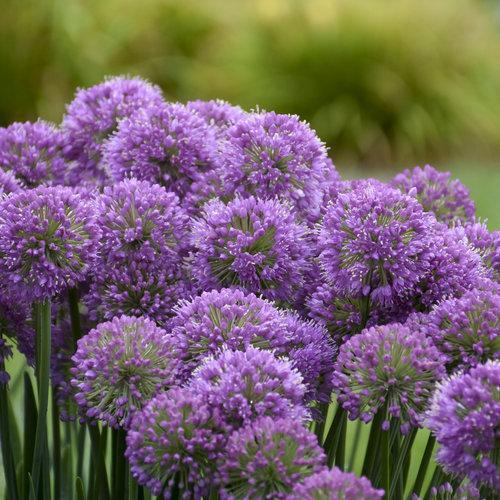
Allium—commonly called flowering onions—are one of the most striking bulbs you can plant. Rising on tall, sturdy stems, their perfectly rounded flower heads float above borders like garden fireworks. They bridge the gap between spring bulbs and early summer perennials, adding form and movement when many gardens need it most.
Good to Know
Yes, they’re related to onions
Alliums are part of the onion family, but ornamental types are grown entirely for their flowers. While the foliage may have a faint onion scent when crushed, the blooms do not.
Types of Allium (and How They’re Used)
Large Globe Alliums
These are the showstoppers—tall stems topped with softball- to dinner-plate-sized spheres of purple, lavender, or white.
-
Height: 30–48 inches
-
Bloom time: Late spring to early summer
-
Best use: Rising through perennials, mixed borders
-
Design note: Stunning when planted in groups of 5–9
Mid-Size Alliums
A versatile category with slightly smaller flower heads and excellent garden balance.
-
Height: 18–30 inches
-
Bloom time: Late spring
-
Best use: Front-to-mid border placement
-
Design note: Easy to weave among roses and perennials
Low-Growing & Naturalizing Alliums
These smaller alliums spread gently over time and work beautifully in naturalistic plantings.
-
Height: 8–18 inches
-
Bloom time: Spring to early summer
-
Best use: Edges, rock gardens, meadows
-
Design note: Great for softening paths and borders
Drumstick & Novelty Alliums
Known for unusual shapes—oval, teardrop, or layered blooms—these add whimsy and texture.
-
Height: 24–36 inches
-
Bloom time: Early summer
-
Best use: Accent plants, cutting gardens
-
Design note: Fabulous dried in arrangements
How to Grow Allium Successfully
Sun
Alliums thrive in full sun. More sun equals stronger stems and better bloom.
Soil
Excellent drainage is essential. Bulbs dislike sitting in wet soil, especially in winter.
Planting Depth
Plant bulbs in fall at a depth roughly three times the height of the bulb.
Water
Water after planting, then let nature do the rest. Overwatering is more harmful than underwatering.
Fertilizing
Bulbs generally need very little feeding. A light compost top-dress in fall or early spring is sufficient.
Spacing
Space bulbs so mature flower heads don’t crowd—grouping is beautiful, but airflow still matters.
Planting Tip
Hide the foliage
Allium foliage often yellows before or during bloom. Plant bulbs behind emerging perennials or low shrubs so fading leaves are visually tucked away.
Bloom, Aftercare, and Longevity
Allium flowers last for weeks and continue to provide interest even after petals fade. The seed heads dry into beautiful sculptural forms that can be left standing or cut for arrangements.
After Bloom
- Leave foliage until it yellows completely
- Do not braid or tie leaves
- Allow bulbs to recharge for next year
Long-Term Care
- Most alliums return reliably for years
- Divide only if clumps become overcrowded
- Excellent drought tolerance once established
Garden Bonus
Pollinator magnet, deer resistant
Bees and butterflies adore allium flowers, while deer and rodents typically avoid them. This makes allium one of the easiest high-impact bulbs for mixed gardens.
Designing with Allium
Perfect Pairings
- Roses and peonies
- Salvia, nepeta, and catmint
- Ornamental grasses
- Early perennials like baptisia
Style Notes
- Use repetition for drama
- Let blooms float above foliage layers
- Mix sizes for a natural look
- Leave seed heads for winter interest