




































Why You Should Remove the First Rose Buds in Spring
Disbudding Roses for Bigger Plants, Longer Stems, and a More Spectacular Spring Flush
Written By Gracielinda Poulson

Every spring at Grace Rose Farm, as the roses begin waking from winter dormancy, there is one practice we rely on that often surprises gardeners: we intentionally remove the very first buds that appear on the plants.
At first, it may feel counterintuitive. After waiting all winter for the first roses of the season, the last thing you might expect to do is remove those early buds. But disbudding is one of the most effective techniques for building stronger plants and achieving a more abundant spring flush.
When done correctly, this simple practice encourages roses to develop larger plants, longer stems, and more blooms just a few weeks later.
At Grace Rose Farm, we have used this technique for years to help our roses grow quickly, develop strong canes, and produce beautiful, long-stem blooms perfect for cutting.
What Does Disbudding Roses Mean?
Disbudding roses is the practice of removing early flower buds so the plant can focus its energy on growing stronger stems and foliage before producing blooms.
Gardeners typically do this in early spring by pinching off the first buds that form on new growth.
By briefly delaying bloom production, the plant redirects its energy to developing stronger canes, more foliage, and additional flowering stems, often resulting in more blooms during the main spring flush.
What Is Disbudding?
Disbudding simply means removing the first flower buds that appear on your rose plant in early spring.
Gardeners usually do this in one of two ways:
• Pinching the buds off with your fingers
• Snipping them off just above the first leaflet
It only takes a few seconds per plant. Many gardeners simply walk through the garden every few days and gently remove the buds as they appear.
The goal is not to harm the plant. Instead, it is to redirect the plant’s energy toward plant growth rather than immediate flowering.


Roses Must Choose: Growth or Bloom
In early spring, roses are working with a limited supply of stored energy after winter dormancy. That energy will typically go into one of two things:
• Developing foliage and strong new canes
• Producing buds and blooms
If the rose begins flowering immediately, much of its energy goes toward producing those early blooms rather than building a strong plant structure.
At Grace Rose Farm, we have repeatedly observed that removing the first buds allows the plant to focus on building a stronger framework, ultimately leading to a more impressive flush of blooms later.
1. You Build a Larger Rose Plant Faster
When early buds are removed, the plant redirects its energy toward:
• Producing lush new foliage
• Extending longer canes
• Establishing a larger plant structure
Instead of a small plant producing a few early flowers, the rose grows into a fuller plant capable of supporting many more blooms later in the season.
This practice is especially beneficial for newly planted roses or younger plants that are still establishing themselves.
2. You Get Longer Cutting Stems
Many roses that bloom very early in spring do so on extremely short stems, sometimes only three to five inches long.
While those blooms may look pretty in the garden, they are not ideal for cutting and bringing indoors.
By delaying bloom production, the rose has time to grow longer flowering canes, which produce:
• Elegant long cutting stems
• Florist-quality blooms
• Roses perfect for bouquets
For gardeners who enjoy cutting roses for arrangements, disbudding can make a dramatic difference in the length and quality of stems.
3. Disbudding Can Help Prevent Imperfect Early Blooms

Another benefit we often see at Grace Rose Farm is that removing early buds can lead to more perfect blooms later in the season.
Very early spring buds often develop during cool, unstable weather, when the plant is just beginning to grow again. When this happens, roses can sometimes produce imperfect or distorted flowers.
One condition occasionally seen during early bud formation is called proliferation. This occurs when the center of the bloom develops green leafy tissue instead of fully formed petals, creating a flower with a green or irregular center.
Proliferation can occur when:
• Buds develop during cold early spring temperatures
• Roses are growing rapidly with high nitrogen levels
• The plant begins blooming before conditions are ideal
In these cases, the bloom may appear somewhat deformed or irregular rather than forming the classic full rosette shape.
By removing those early buds and allowing the plant to set buds when the weather is slightly warmer, you often reduce the likelihood of these imperfect blooms. The roses that develop later are far more likely to open into beautifully formed, symmetrical flowers.
4. You Can Create a Bigger Spring Flush
One of the most exciting benefits we have observed is that disbudding often results in more blooms overall.
Because the plant spends several extra weeks producing new green growth, it develops more flowering stems.
When the rose finally does flush, those additional stems can produce a larger wave of blooms all at once.
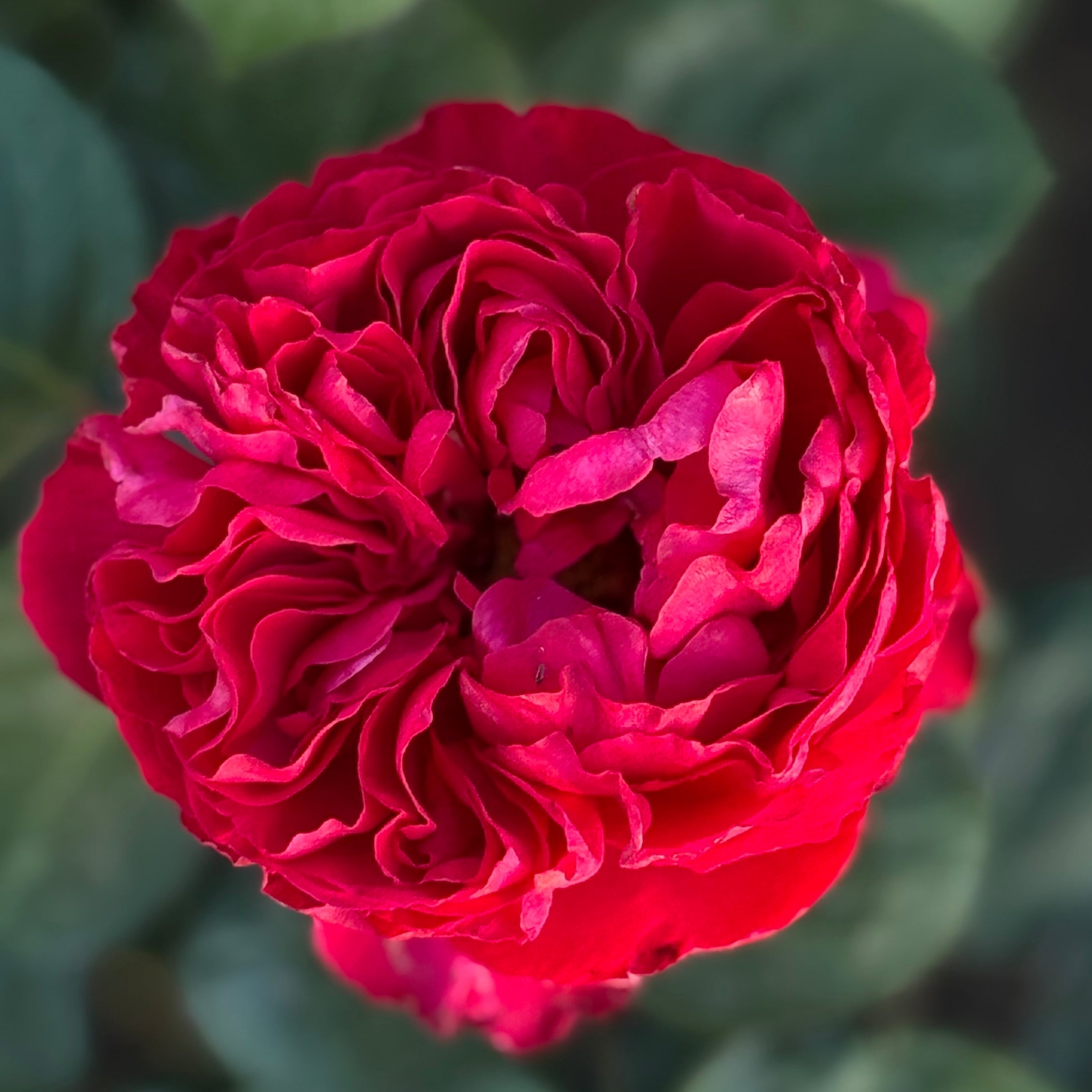
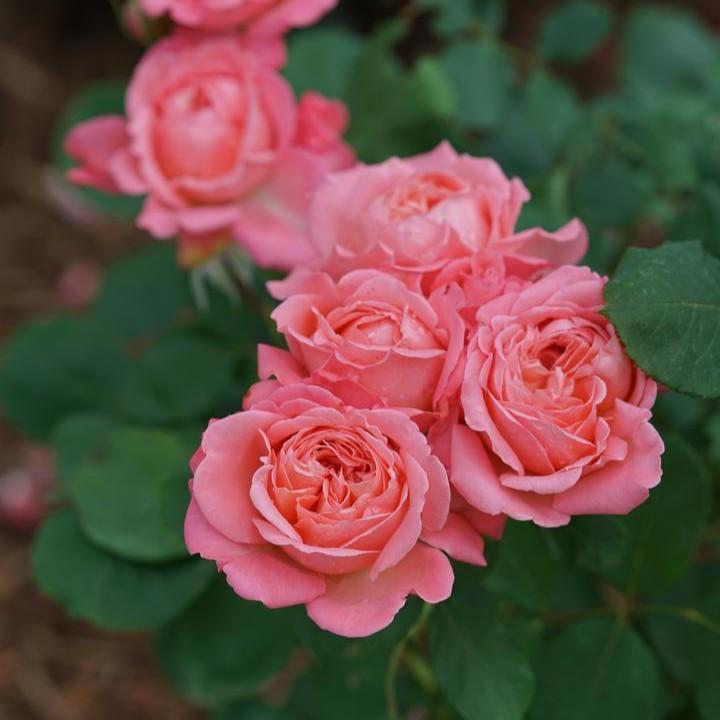
Instead of a few scattered early flowers, you are rewarded with a full, dramatic spring display.
5. You Can Delay Bloom Timing by a Few Weeks
Disbudding typically delays the spring flush by about three to four weeks.
For many gardeners, this can actually be an advantage. By delaying the bloom cycle slightly, you can time your roses to be in full bloom for:
• Garden parties
• Weddings
• Special events
• Peak entertaining season
Rather than blooming too early, your roses can reach their most beautiful moment exactly when you want them to.
When Should You Disbud Roses?
The best time to disbud roses is very early in spring when the first buds begin forming on new growth. Disbud when the sepals are closed and still covering the petals.
This usually happens shortly after the plant breaks dormancy and begins producing fresh leaves and stems.
You can continue removing buds for two to three weeks, allowing the plant to focus on vegetative growth before producing its main spring flush.
Should All Roses Be Disbudded?
Not every rose needs to be disbudded. This technique is most beneficial for:
• Newly planted roses
• Hybrid tea roses
• Florist-style garden roses
• Roses grown for cutting gardens
Established landscape shrub roses grown purely for garden display may not require disbudding, though many gardeners still choose to do so to encourage stronger early growth.
Fertilizing During the Disbudding Period
While practicing disbudding, we also support the roses with a slightly different fertilizing approach.
At Grace Rose Farm, we often increase nitrogen levels during this period because nitrogen encourages the plant to produce:
• Lush green foliage
• Strong cane growth
• Longer stems
At the same time, we place less emphasis on phosphorus and potassium, which are nutrients more closely associated with bloom production.
This fertilizing strategy reinforces the plant’s focus on vegetative growth before flowering.
A Simple Technique With Remarkable Results
 Disbudding may seem like a small step, but it can dramatically improve your roses' performance.
By temporarily delaying bloom development, you allow the plant to build the strength and structure needed to produce a truly breathtaking flush.
At Grace Rose Farm, this practice has helped our roses grow larger plants, longer stems, and more abundant blooms each spring.
And the best part is that it requires almost no effort at all.
Just a gentle pinch today can lead to armfuls of roses tomorrow.
Frequently Asked Questions About Disbudding Roses
Does removing rose buds hurt the plant?
No. Removing early buds simply redirects the plant’s energy toward stronger growth.
Will disbudding delay flowering?
Yes, but only slightly. Most roses bloom about three to four weeks later, often with more blooms and longer stems.
Do professional rose growers disbud roses?
Yes. Many commercial rose growers remove early buds to encourage stronger plants and longer cutting stems.
🌹 From the gardens at Grace Rose Farm: This simple early spring practice has helped our roses develop stronger plants, longer stems, and breathtaking spring flushes year after year.