











Peony Nippon Chief - Peony Bulbs
- 🚚 Bare Root Roses ship January through April — perfectly timed for your growing zone
- 🛡️ Complimentary One-Year Grow With Grace™ Guarantee
Will It Grow In My Zone?
Enter your zip code to check if this plant is suitable for your hardiness zone.

About Nippon Chief Peony Bulbs
Paeonia lactiflora ‘Nippon Chief’
Breeder: Edward Auten Jr. | Introduced: 1931 | Origin: Illinois, USA | Type: Japanese-Form Herbaceous Peony | Hardiness: Zones 3–8
❤️ Deep red, touched with gold and fashionably late—Nippon Chief brings rich color to the garden just when many peonies are finishing their show.
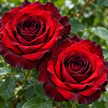
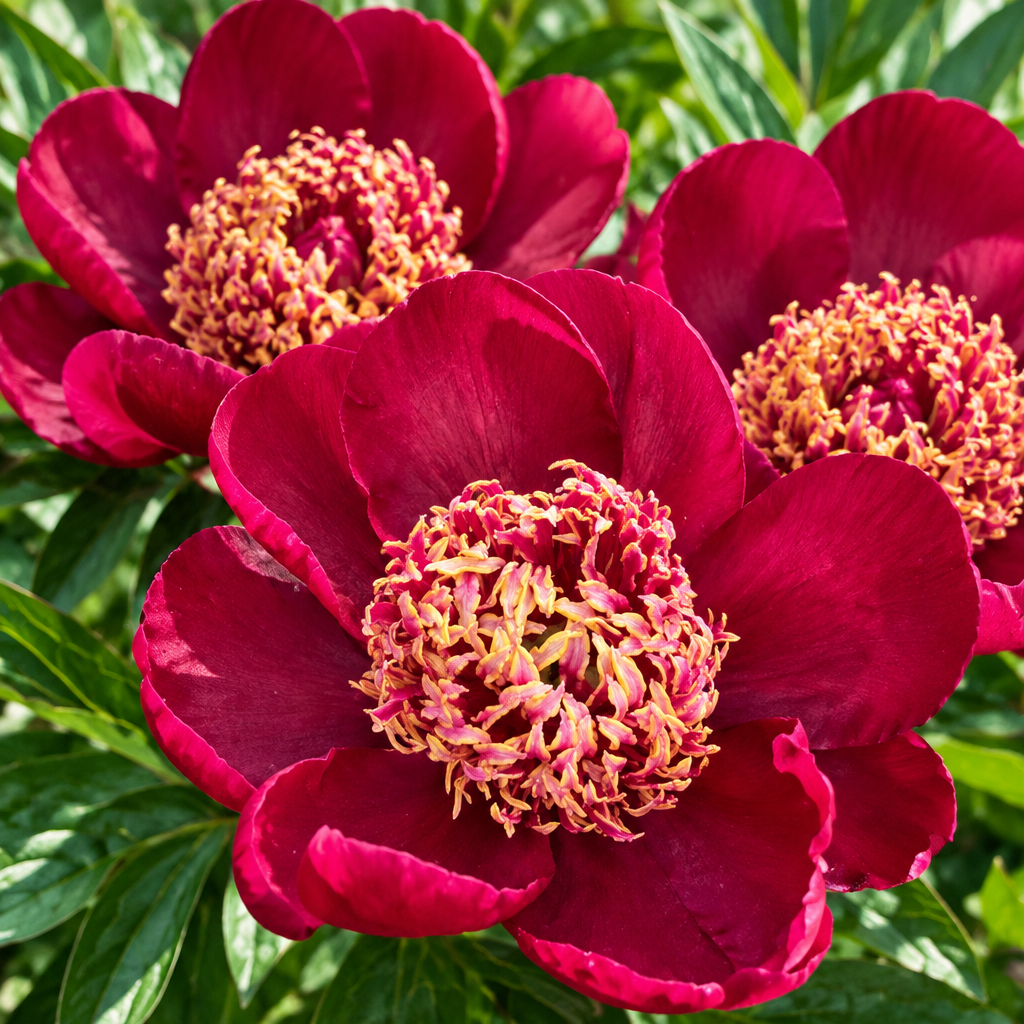
Nippon Chief produces large dark crimson-red Japanese-form flowers with broad outer guard petals surrounding a dramatic center of narrow red petaloids touched with golden yellow.
The flowers rise beautifully on tall, stiff stems, creating an upright, architectural presence in both the garden and the cutting patch.
But one of its best features?
It blooms late.
Nippon Chief is one of those peonies that helps keep the peony season going just a little longer.
🌸 Flower & Garden Details
Flower Color: Deep, rich crimson red with golden-yellow accents
Flower Form: Japanese
Center: Red petaloids accented with yellow
Bloom Season: Late
Foliage: Rich green
Habit: Tall, upright and sturdy
Size: Approximately 34–38 inches tall × 30–36 inches wide
Stems: Tall, stiff and excellent for displaying the flowers
Light: Full sun to light afternoon shade
Hardiness: USDA Zones 3–8
Cut Flower: Excellent
Best Uses: Cutting gardens, perennial borders, cottage gardens and collector gardens
❤️ Part of Auten's Famous Nippon Peonies
Nippon Chief was introduced in 1931 by Edward Auten Jr. of Princeville, Illinois, one of America's important early peony breeders.
Auten became particularly celebrated for his work with Japanese-form peonies, and his group of cultivars carrying the Nippon name became an important part of his legacy.
Nippon Beauty.
Nippon Brilliant.
Nippon Gold.
Nippon Parade.
And Nippon Chief.
Rather than simply producing another fluffy double peony, Auten explored the incredible color combinations and architectural centers possible within the Japanese flower form.
Nippon Chief is a beautiful example of that work.
🌸 It's All About That Center
At first glance, Nippon Chief is a beautiful dark-red peony.
Then you get closer.
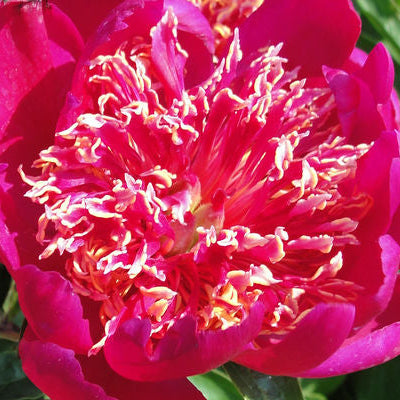
The broad crimson guard petals create a frame around a center filled with narrow red petaloids brushed with flashes of golden yellow.
That contrast gives the flower depth and movement—and makes it especially interesting in bouquets.
Japanese-form peonies also have an advantage in the garden: without the enormous mass of petals found in heavily double varieties, the blooms are lighter.
Combine that with Nippon Chief's naturally tall, stiff stems, and you have a peony with a wonderfully upright presence.
⏰ Save Something Beautiful for Last
One of our favorite things about Nippon Chief is its bloom time.
Edward Auten's original description specifically noted it as one of his latest-blooming Japanese peonies.
That's valuable in a cutting garden.
Plant earlier peonies such as Duchesse de Nemours, follow them with midseason varieties, and finish with late selections like Nippon Chief.
Instead of having a peony moment—
you've created a peony season.
💛 Why Grace Rose Farm Loves It
We love flowers that make you come closer.
Nippon Chief is one of them.
From across the garden, you see a beautiful deep-red peony.
Up close, you discover that extraordinary feathery center with tiny flashes of gold.
We'd plant it alongside Nippon Beauty and Do Tell to showcase just how different Japanese-form peonies can be.
And its late bloom makes it even more valuable.
Because when peony season finally arrives, we're never quite ready for it to end.
Nippon Chief gives us one more reason to keep the clippers nearby.
🌿 Planting & Care
Plant peony roots in full sun and fertile, well-drained soil. In warmer climates, some afternoon shade can help flowers retain their color and last longer.
Position the root so the eyes sit approximately 1–2 inches below the finished soil surface. Avoid planting too deeply, as deep planting is a common reason peonies grow vigorously but fail to bloom.
Space plants approximately 3 feet apart and water thoroughly after planting.
Newly planted peonies may need a season or two to establish before producing their best display. Once settled in, however, they can remain in the same garden for decades.
And with Nippon Chief blooming toward the end of peony season, you'll be especially glad you waited.
Choose options


Bare Root Rose Season is Here!
Reserve the most beautiful, healthiest Better Bare Root™ roses for your garden. Shipping January through April, perfectly timed to your climate, each rose arrives ready to thrive. Discover the largest online selection of bare root roses, grown by America’s finest rose grower using sustainable farming practices and time-honored artistry—so every plant begins its journey with strength, beauty, and promise.
Gracie's Better Bare Root™ Boutique
WHAT MAKES A ROSE A BETTER BARE ROOT™?
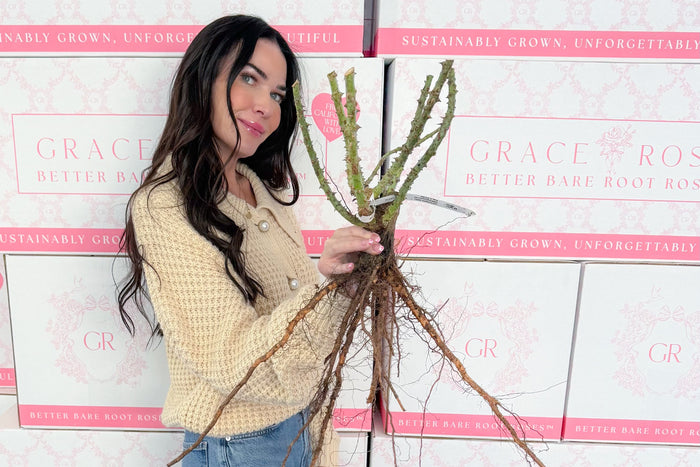
Our bare root roses are carefully selected and prepared to give you the best start for your garden. Each rose is inspected for quality and health before shipping.
Whether you choose own root or budded roses, you'll receive premium plants that are ready to thrive in your garden.


Grow With Gracie™ Guides

Understanding the Difference Between Budded and Own-Root Roses
Read Guide
How to Receive and Plant Your Better Bare Root™ Roses

Gracie’s Better Bare Root

One-Year Grow With Grace™ Guarantee
At Grace Rose Farm®, we’re all about growing gorgeous gardens and happy hearts. That’s why we’ve got your back with our One-Year Grow With Grace™ Guarantee—because we know sometimes things just don’t go as planned in the garden. If your plant doesn’t make it within the first year, no worries—we’ll help make it right with a little store credit love 💗.