









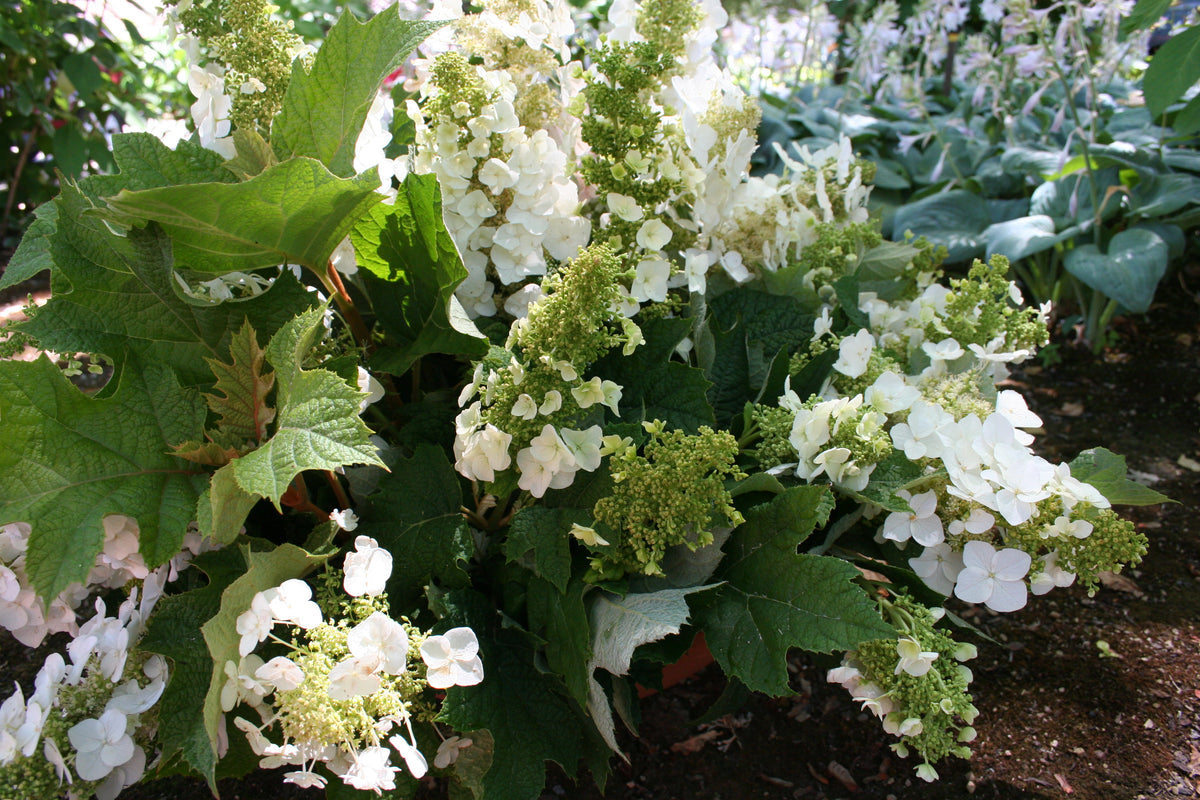
Oakleaf Hydrangea Bare Root Hydrangea Bush
- 🚚 Bare Root Roses ship January through April — perfectly timed for your growing zone
- 🛡️ Complimentary One-Year Grow With Grace™ Guarantee
Will It Grow In My Zone?
Enter your zip code to check if this plant is suitable for your hardiness zone.

About Oakleaf Hydrangea Bare Root Hydrangea Bush
Hydrangea quercifolia
Common Name: Oakleaf Hydrangea | Origin: Southeastern United States | Type: Native Deciduous Flowering Shrub | Hardiness: USDA Zones 5–9
🤍 Creamy white flowers in summer, spectacular wine-red foliage in fall and cinnamon-colored bark all winter—our native Oakleaf Hydrangea is beautiful long after hydrangea season is over.
If you're looking for a hydrangea that brings more than flowers to the garden, meet Oakleaf Hydrangea.
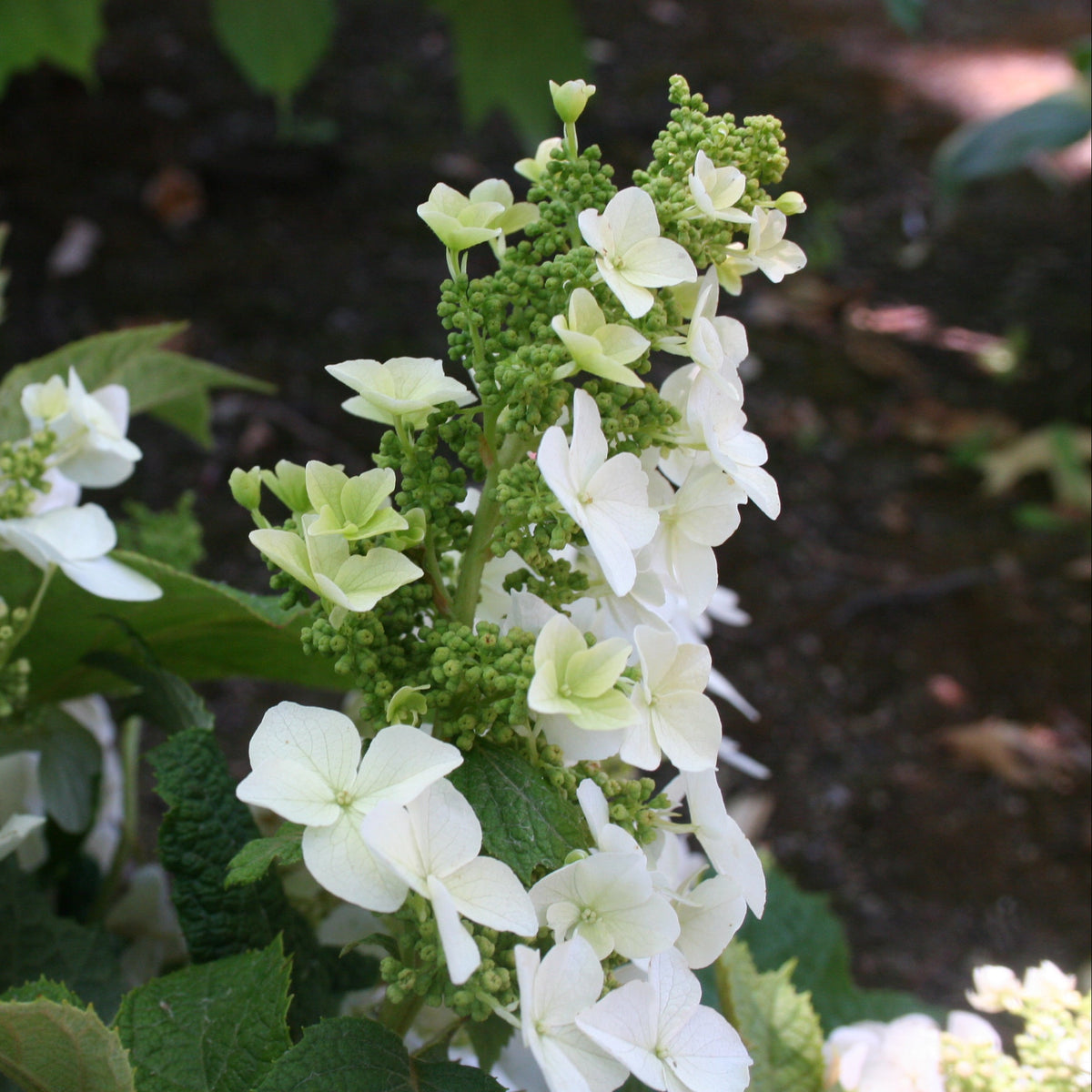
This beautiful North American native produces large, pyramidal clusters of creamy-white flowers above enormous, deeply lobed leaves that look remarkably like oak foliage.
As summer progresses, the flowers soften from white into shades of blush pink and antique rose.
Then autumn arrives—and this hydrangea puts on an entirely different show.
🤍 Flower & Garden Details
Botanical Name: Hydrangea quercifolia
Flower Color: Creamy white, aging to blush pink and tan
Flower Form: Large, pyramidal panicles
Bloom Season: Late spring through summer
Fall Color: Rich red, burgundy and purple
Winter Interest: Exfoliating cinnamon-to-brown bark
Foliage: Large, deeply lobed, oak-like leaves
Habit: Broad, rounded and multi-stemmed
Mature Size: Approximately 4–6 feet tall and wide; mature plants can reach 8 feet under favorable conditions
Light: Full sun to partial shade
Hardiness: USDA Zones 5–9
Bloom Wood: Old wood
Cut Flower: Excellent fresh or dried
Best Uses: Woodland gardens, native gardens, mixed borders, foundations, informal hedges, specimen plantings and cutting gardens
🇺🇸 A Hydrangea That's Actually Native to America
Here's something that surprises a lot of gardeners:
Oakleaf Hydrangea is native to the United States.
Hydrangea quercifolia occurs naturally in the woodlands, slopes and stream-bank habitats of the southeastern United States.
Its botanical name tells you about its most distinctive feature.
Quercus is the botanical genus for oak.
Folia refers to leaves.
Put them together and quercifolia essentially describes a plant with oak-like foliage.
And those leaves are spectacular.
Large, deeply lobed and wonderfully textural, they give Oakleaf Hydrangea a completely different appearance from traditional mophead hydrangeas.
🤍 Flowers That Get Better With Age
Oakleaf Hydrangea produces beautiful upright pyramidal panicles filled with a combination of larger showy sterile flowers and smaller fertile flowers.
They begin creamy white.
Then something lovely happens.
As the flowers mature, they slowly develop shades of soft pink, dusty rose and eventually warm tan.
Instead of cutting them as soon as the color begins to change, leave a few on the shrub.
The aging flowers are gorgeous.
They're also wonderful for dried arrangements, allowing you to bring a little piece of the summer garden indoors long after the season has ended.
🍂 Just Wait Until Fall
We could sell Oakleaf Hydrangea for its flowers alone.
But we'd be leaving out one of its best features.
The fall foliage is spectacular.
As cool autumn weather arrives, those enormous green leaves transform into shades of deep red, burgundy and purple.
It's the kind of fall display you'd expect from a beautiful tree.
Except it's coming from your hydrangea.
And when the leaves finally fall, mature stems reveal peeling, exfoliating bark with warm cinnamon and brown tones.
Summer flowers.
Autumn foliage.
Winter bark.
This shrub understands the assignment.
💛 Why Grace Rose Farm Loves It
We love plants that make the entire garden better—not just plants that bloom beautifully for a few weeks.
Oakleaf Hydrangea does exactly that.
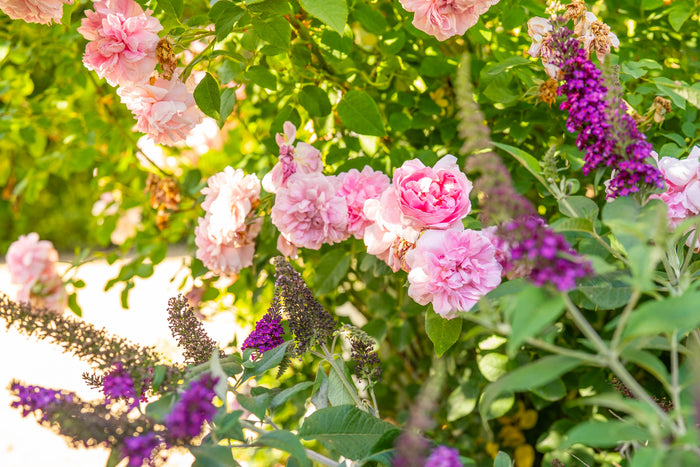
Its big foliage creates a lush backdrop for roses and peonies.
The creamy-white flowers are beautiful for cutting.
The aging blush flowers fit perfectly into our favorite garden palette.
And then, just when the roses and hydrangeas begin winding down for the year, those leaves turn spectacular shades of burgundy and wine.
We especially love Oakleaf Hydrangea toward the back of a romantic mixed border, where its bold foliage creates contrast against the finer textures of roses and perennials.
It's a supporting plant that has absolutely no problem becoming the star.
✂️ Before You Prune—Know This!
Oakleaf Hydrangea blooms on old wood.
That means many of next year's flowers are already being prepared on stems produced during the previous growing season.
So don't automatically cut this hydrangea back in fall or early spring.
You may be cutting off next summer's flowers.
Fortunately, Oakleaf Hydrangea develops a beautiful natural habit and generally doesn't require much pruning.
If shaping is necessary, prune shortly after flowering so the shrub has time to produce the growth that will carry future blooms.
Dead or damaged wood can be removed as needed.
🌿 Planting Your Bare Root Oakleaf Hydrangea
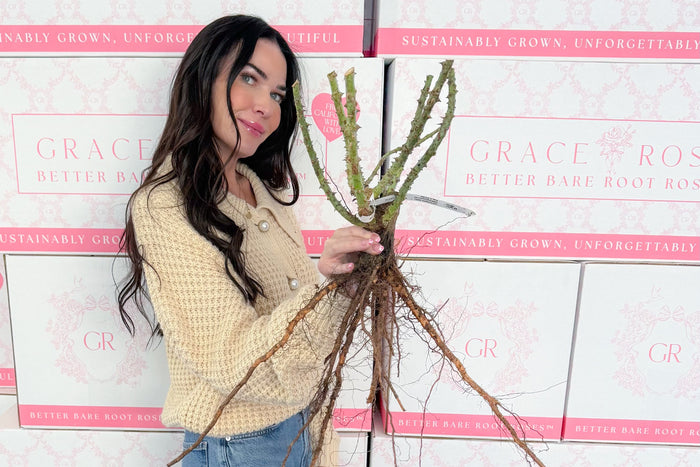
Your bare root hydrangea may not look particularly glamorous when you first open the box.
That's okay.
The important part is underground.
Before planting, inspect the roots and remove any obviously broken or damaged portions.
Dig a hole wide enough to allow the roots to spread naturally without bending, twisting or circling them. Plant at approximately the same depth the shrub was previously growing, then gently backfill around the roots.
Water deeply after planting to settle the soil and eliminate large air pockets.
Oakleaf Hydrangea prefers organically rich, well-drained soil with consistent moisture, particularly while establishing.
Apply a layer of mulch over the root zone to conserve moisture and moderate soil temperatures, keeping the mulch away from direct contact with the stems.
☀️ Sun or Shade?
One of the reasons we love Oakleaf Hydrangea is its versatility.
It can grow in full sun to partial shade.
In cooler climates, plants can tolerate considerable sun when adequate moisture is available.
In hotter regions, some protection from intense afternoon sun is beneficial.
Just don't tuck it into extremely deep shade.
Oakleaf Hydrangea still needs some light to produce its best floral display.
Choose options


Bare Root Rose Season is Here!
Reserve the most beautiful, healthiest Better Bare Root™ roses for your garden. Shipping January through April, perfectly timed to your climate, each rose arrives ready to thrive. Discover the largest online selection of bare root roses, grown by America’s finest rose grower using sustainable farming practices and time-honored artistry—so every plant begins its journey with strength, beauty, and promise.
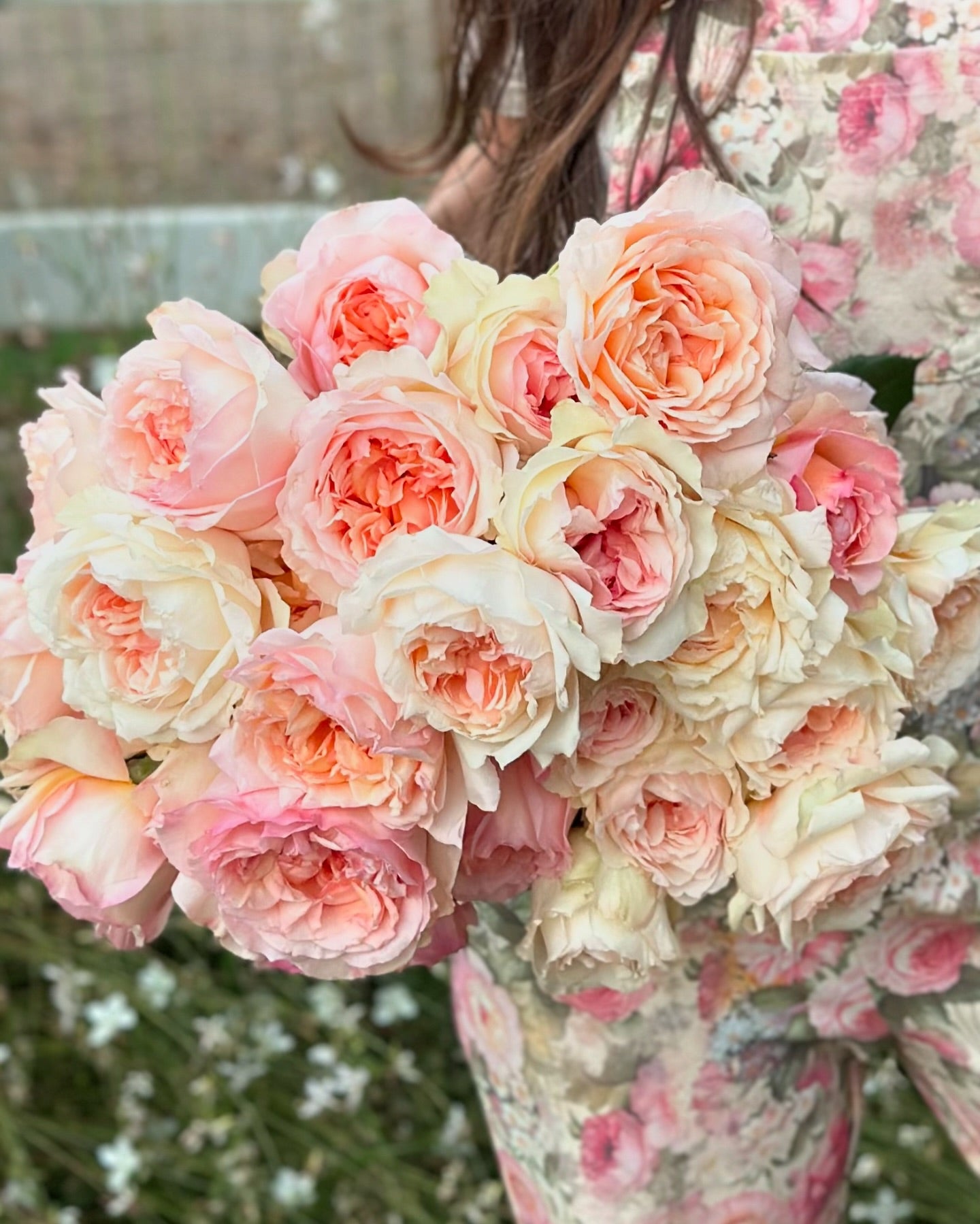
Gracie's Better Bare Root™ Boutique
WHAT MAKES A ROSE A BETTER BARE ROOT™?
Our bare root roses are carefully selected and prepared to give you the best start for your garden. Each rose is inspected for quality and health before shipping.
Whether you choose own root or budded roses, you'll receive premium plants that are ready to thrive in your garden.


Grow With Gracie™ Guides

Understanding the Difference Between Budded and Own-Root Roses
Read Guide
How to Receive and Plant Your Better Bare Root™ Roses

Gracie’s Better Bare Root

One-Year Grow With Grace™ Guarantee
At Grace Rose Farm®, we’re all about growing gorgeous gardens and happy hearts. That’s why we’ve got your back with our One-Year Grow With Grace™ Guarantee—because we know sometimes things just don’t go as planned in the garden. If your plant doesn’t make it within the first year, no worries—we’ll help make it right with a little store credit love 💗.