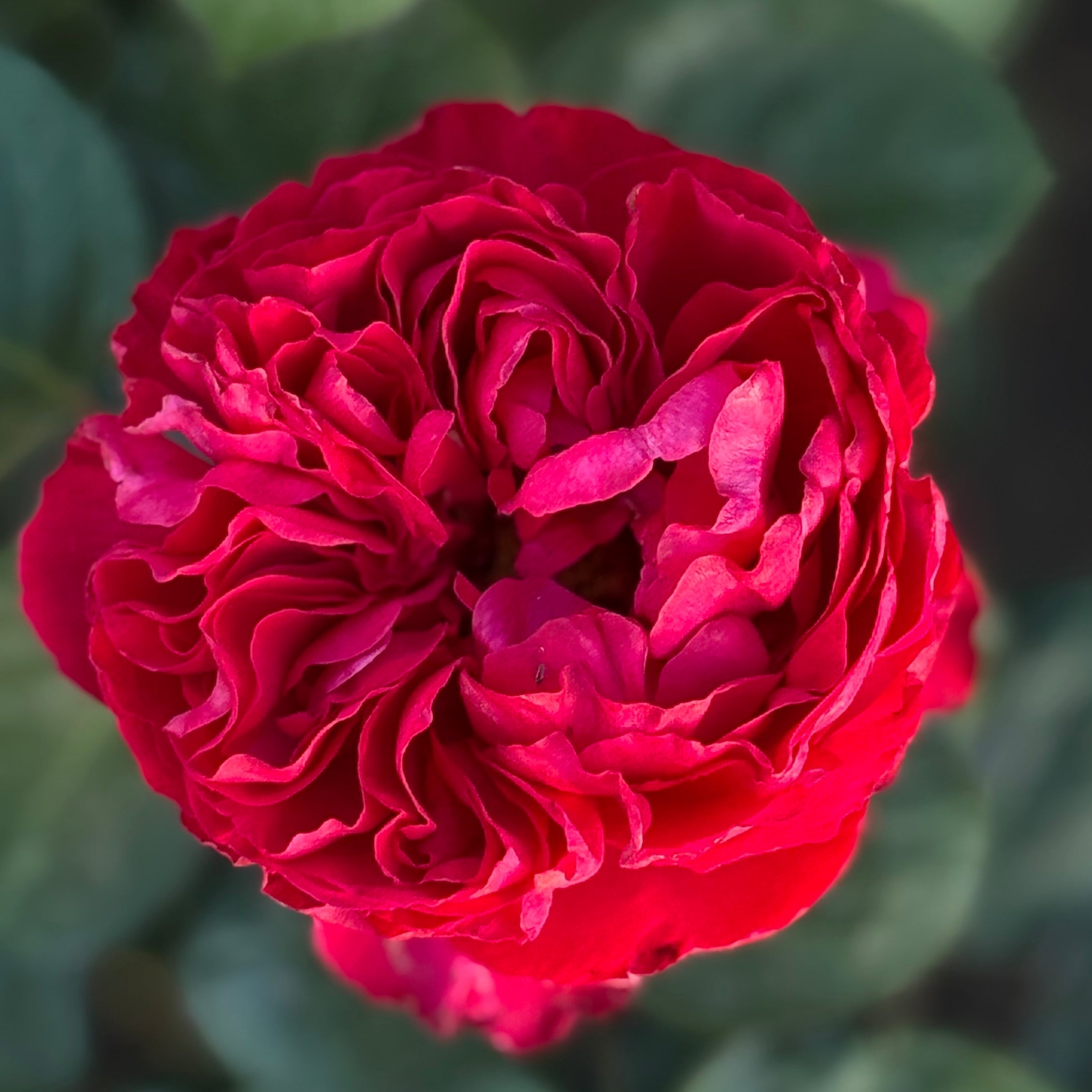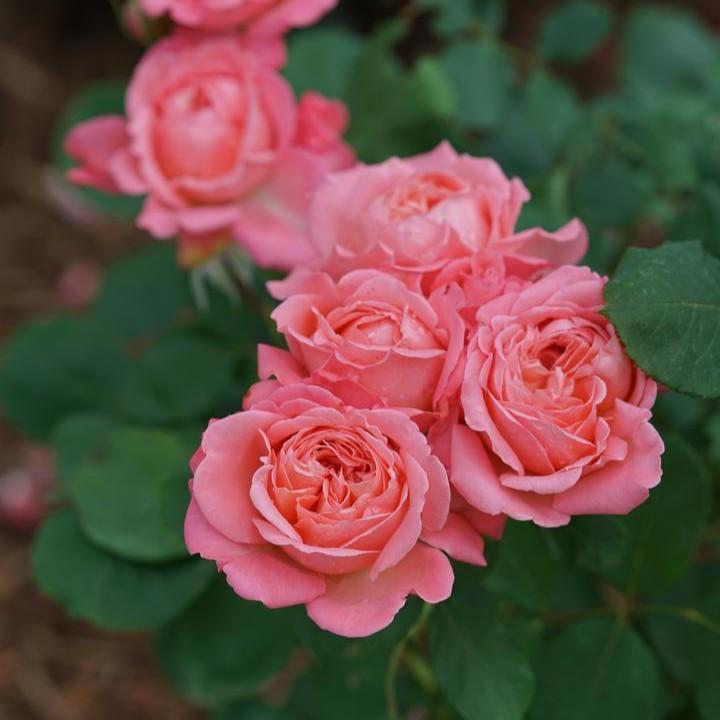
































Héloïse-Grace™


A Daughter of Aubusson
In the vibrant town of Aubusson, France, where wooden looms sang from morning until dusk and fine wool threads were transformed into works of beauty, lived a young artist named Héloïse. She was born into a family of tapestry makers whose hands were known for weaving grand commissions of hunting scenes, forests, noble horses, and the rugged beauty of the outdoors.
As the youngest daughter, Héloïse’s role was to draw. Day after day, she sketched the scenes her family was asked to produce—stags in motion, hounds in pursuit, towering trees, and distant hills. She was gifted, quick of hand, and alive with imagination. Her drawings were precise, elegant, and full of life.
Yet beneath her obedience stirred a longing for something more. While others were content with tradition, Héloïse’s mind filled with visions of flowering vines, layered petals, woven garlands, and gardens alive with movement and grace.
She was bubbly, expressive, full of ideas, and impossible to keep entirely quiet. But in the eyes of her family, she was still young—talented, yes, but inexperienced. Her ideas were listened to with fondness, then set aside in favor of what had always sold.

A Different Vision
Héloïse did not dream of hunts.
She dreamed of florals—of petals layered like silk, of roses climbing across woven cloth, of blossoms so lush and detailed they seemed as though they might breathe from the tapestry itself. She imagined beauty not as background, but as the very heart of the design.
Whenever she tried to share these ideas, her family dismissed them gently but firmly. There was no business in flowers, they told her. Noble houses wanted hunting scenes, woodland landscapes, and symbols of status and power. The market had already spoken.
“Your drawings are lovely, Héloïse,” her father would say, “but beauty alone does not keep a workshop alive.”
Still, she felt deep in her spirit that they were wrong. She believed there were hearts waiting for beauty they had not yet been shown.
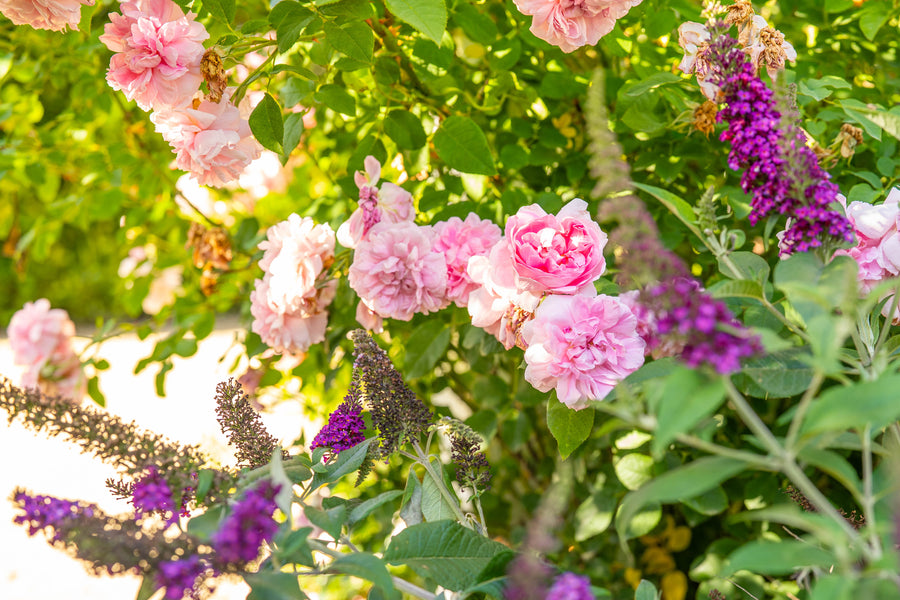
And so, whenever the workshop grew too loud with duty and too quiet in hope, Héloïse would slip away to a garden in Aubusson where she found peace among the pathways and roses.

The Rose
One morning, as light warmed the stone walls and the air hung sweet with bloom, Héloïse passed a rose whose fragrance stopped her in her tracks. It was the most exquisite scent she had ever known—soft, rich, sweet, and unforgettable.
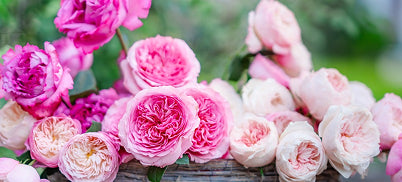
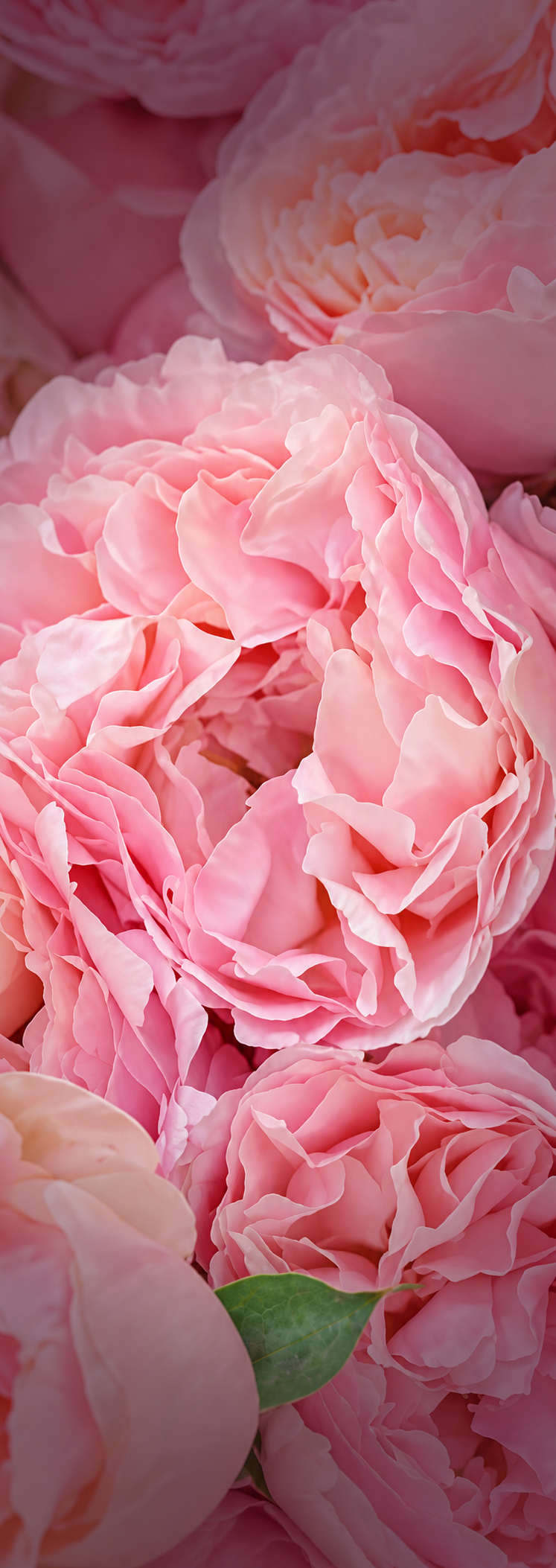
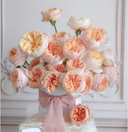
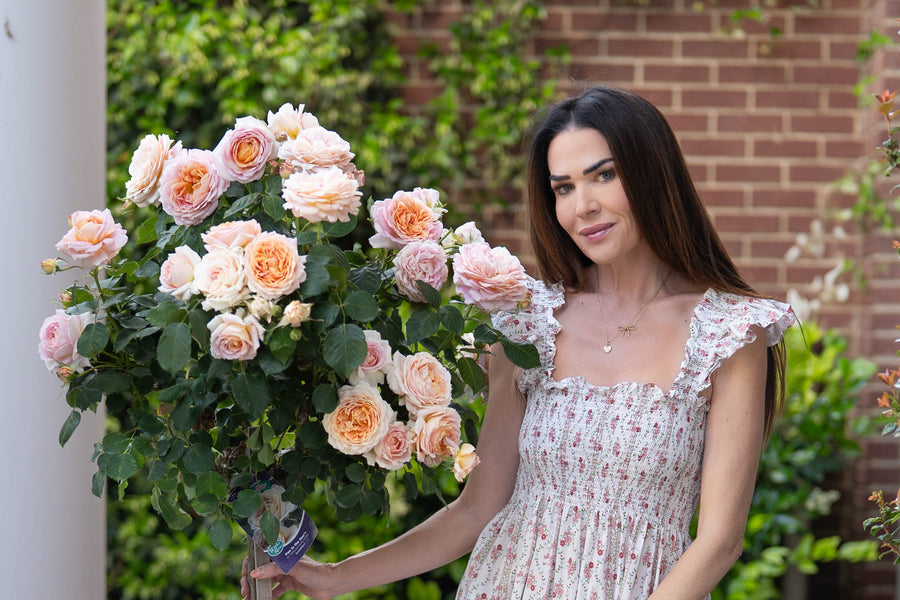
Drawn closer, she saw a remarkable pink rose unlike any she had ever studied. Its petals were pointed and elegant, their shape refined and almost deliberate, as if each one were reaching outward with purpose. It seemed to her that the bloom itself was pointing her toward her destiny.
Without hesitation, she sat down and began to draw.
Her hand moved quickly across the page, tracing every fold and point of the petals, every delicate curve of stem and leaf. The world around her faded. There was only the rose, the fragrance, and the certainty growing inside her that this was what she had been meant to make.
So intent was she in her work that she did not at first notice the older woman standing nearby, watching quietly from the garden path.

The Woman in the Garden
At last the woman spoke.
“What an extraordinary drawing,” she said.
Héloïse looked up, startled, and found herself facing a graceful older lady with knowing eyes and the quiet presence of someone who had lived deeply and seen much. There was refinement in the way she held herself, but also gentleness—like someone who came to the garden not to be seen, but to remember herself.
The woman asked why she had chosen that particular rose from all the others in the garden.
Héloïse answered honestly: because the fragrance had called to her, because the petals were unlike any she had seen before, because it felt different—and because something inside her told her it mattered.
The older woman bent down and plucked one of the blooms, placing it gently into Héloïse’s hands.
“This rose is different than the others,” she said softly. “And yet that is precisely why you stopped.”
Then she looked at Héloïse with quiet warmth.
“You are much like this rose, I think. Just because your ideas are different does not mean they are not beautiful. Sometimes what first feels unfamiliar is exactly what the world is waiting for.”
She urged Héloïse to continue her work—to create the floral tapestry she could already see so clearly in her heart—and promised that if she did, she would come to see it.

What Héloïse Wove
So Héloïse returned to her family’s workshop and, in the spare hours left to her, began to weave a new vision.
She designed a tapestry unlike anything her family had ever made: an intricate woven garden filled with soft pink roses, their pointed petals rendered in graceful detail, their forms winding through the composition like poetry. Every thread carried her conviction. Every blossom held a piece of the garden where she had found both beauty and courage.
Her family watched with uncertainty. They admired her skill, but doubted whether such a piece would ever sell. Still, Héloïse persisted, weaving beauty where others saw risk.
Then one day, the woman from the garden arrived at their door.
To her family’s astonishment, she was none other than Madame Célestine de Villeneuve, a celebrated French artist and patroness of the decorative arts, admired for her refined taste and influence among noble households.
Madame de Villeneuve studied the tapestry in silence, taking in the roses, the color, the delicacy, the daring. Then, with emotion in her voice, she declared it one of the most beautiful designs she had seen in years.
She purchased the tapestry for a remarkable sum and, before leaving, commissioned several more floral works from the family—each one inspired by Héloïse’s vision.
In that moment, everything changed.
Héloïse had not only opened a new chapter in her family’s business—she had proven that creativity, passion, and courage could build a future where tradition alone could not. What others had dismissed as impractical became the very thing that set their workshop apart.
And so in Aubusson, among the looms and threads, Héloïse discovered something even more important than success: that the ideas placed tenderly in our hearts are often there for a reason, and that beauty bravely pursued can leave a mark on the world for generations to come.

is exactly what the world is waiting for.”