

































Adélaïde-Grace™


A Cottage and a Restless Heart
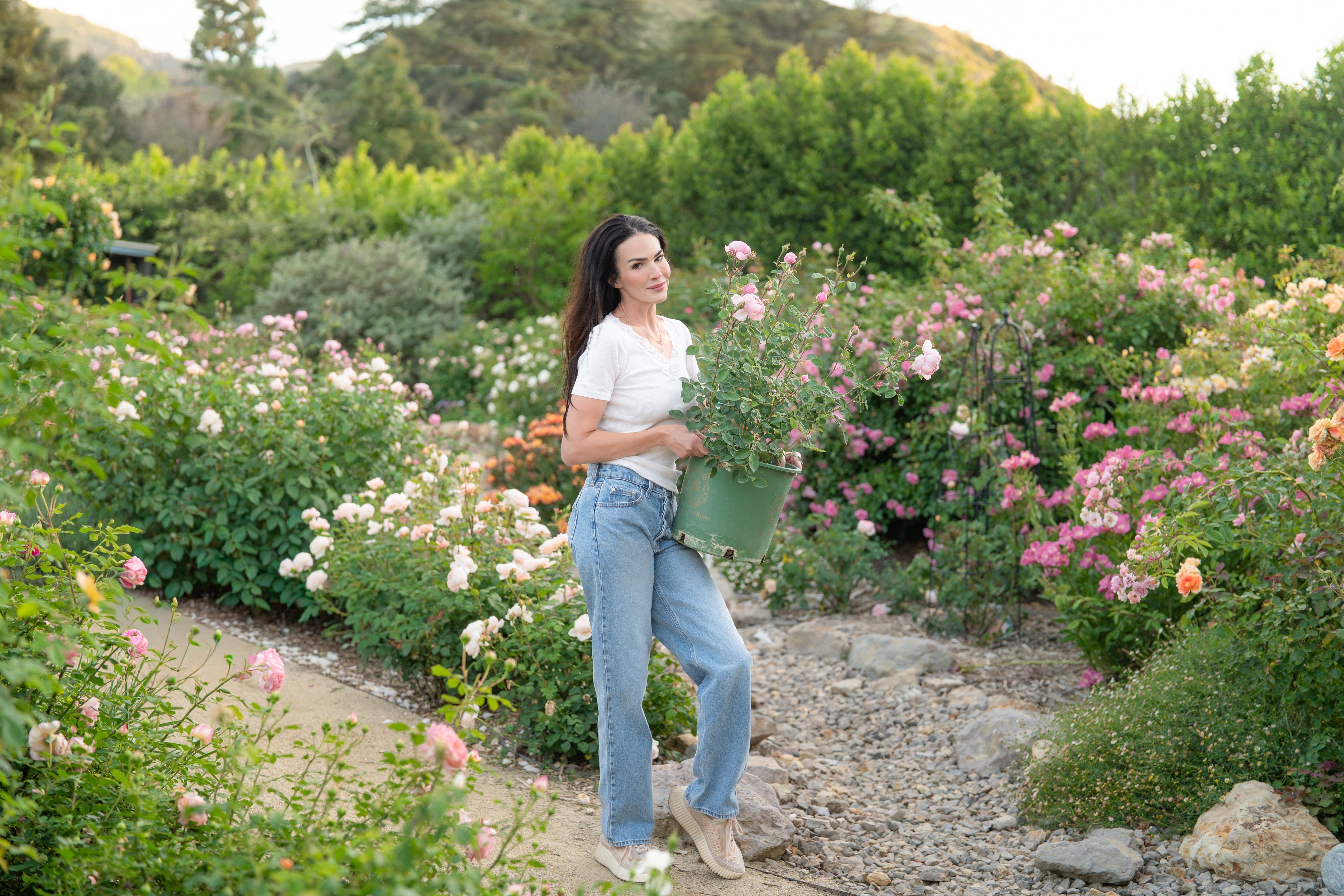
In the rolling countryside of provincial France in the 1800s, Adélaïde-Grace lived in a small stone cottage at the edge of a beautiful parterre garden. Her dark, long curls tumbled down her back when she worked, and though her hands were often stained with soil and green from crushed stems, there was something luminous about her — a girl rooted in duty, yet filled with longing.
The garden had once been her father’s pride. Its clipped hedges, patterned beds, and orderly beauty had made it quietly admired by all who passed near it. But illness had come softly and then all at once, leaving him weak, often seated by the window or confined to bed while the work of the garden fell almost entirely into Adélaïde’s care.
She loved him deeply. He had raised her with gentleness, with stories, with reverence for beauty and growing things. To care for him did not feel like a burden. And yet, beyond her love, another truth lived in her too: a wild heart that dreamed of roads, gardens, languages, distant cities, and places she had never seen.
Sometimes, while trimming boxwood or deadheading roses, she would pause and look far beyond the village lanes as though she might catch sight of another life approaching over the hills.
“Surely,” she would whisper to the wind, “the world must be larger than sorrow and chores and the same path walked each day.”
Still, each evening she returned to her father’s bedside, brought him broth, straightened his blanket, and read the weather of his face the way she read the weather over her roses — carefully, tenderly, always hoping for signs of strength.

Letters in Flowers
Then, one afternoon, something unexpected arrived.
Tucked into the hand of the post boy was a letter addressed simply to Mademoiselle Adélaïde. Inside was no grand declaration, no formal introduction, only a pressed sprig of lavender wrapped in folded paper.
Adélaïde knew enough of the old floral language to understand it: lavender for longing.
There was no signature, only a note: For those who dream beyond their horizon.
She stared at it for a long time. Somehow, impossibly, someone beyond her little village had spoken directly to the secret places of her heart.
So she answered.
Into her reply she tucked a pressed bit of wild thyme — for resilience. In time, another letter came. Then another. Soon, through small envelopes bearing petals and stems, she began corresponding with souls she had never met: a widow in Italy who kept lemons in clay pots, a young woman in Austria with a rooftop garden, a scholar’s daughter in Belgium, a florist’s apprentice in England, a lonely old gardener in Prague.
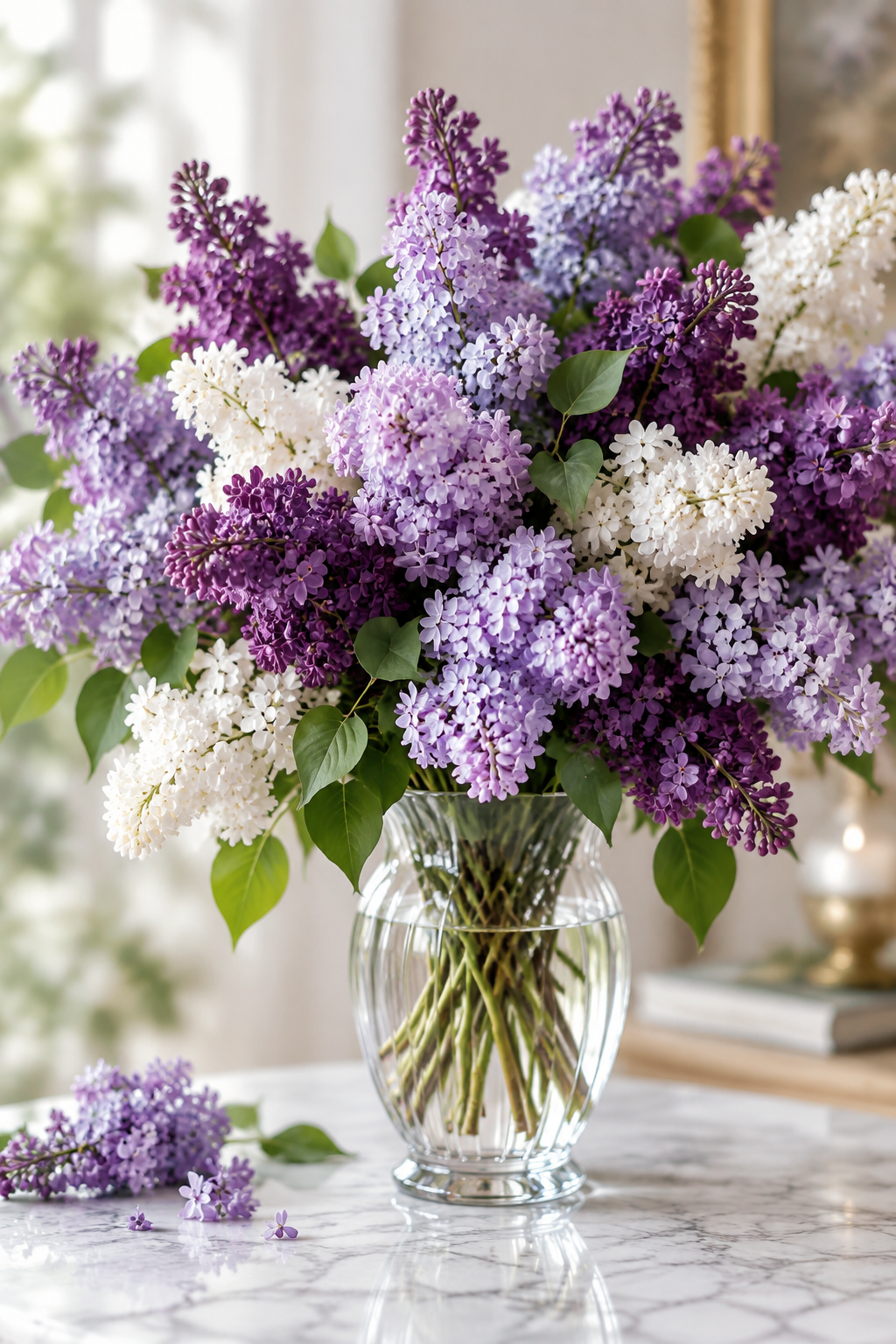
They wrote not only with ink, but with flowers. A deep pink rose meant courage. Rosemary meant remembrance. Sweet pea meant departure. Myrtle meant hope. Her garden became a voice when her own life felt too small for speech.
And for the first time, without leaving home, Adélaïde-Grace began to travel.

The Stranger’s Rose
One spring morning, a traveling stranger passed through the village — part botanist, part wanderer by the look of him. He stopped only briefly to ask for water and directions, but before he went, he left something in Adélaïde’s hand: a small rose cutting, wrapped in cloth and tied with twine.
“It came a long way,” he told her. “See what story it wants to tell in your care.”
She planted it near the warmest wall of the garden and tended it as though it were a secret. She watered it in dry spells, protected it from rough wind, watched for pests, spoke to it when no one was near, and waited with the patience gardeners learn only through love.
When it finally bloomed, Adélaïde stood breathless.
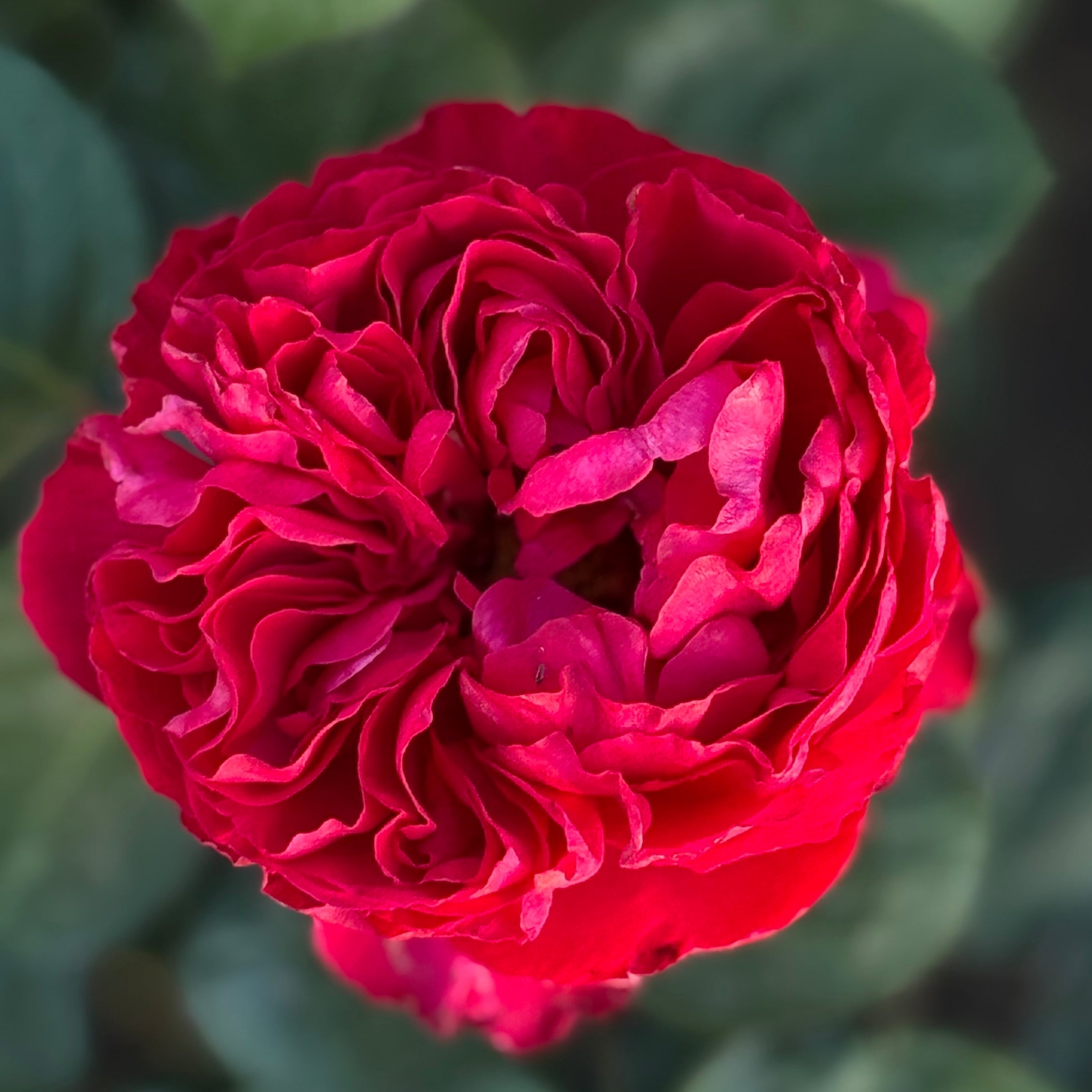
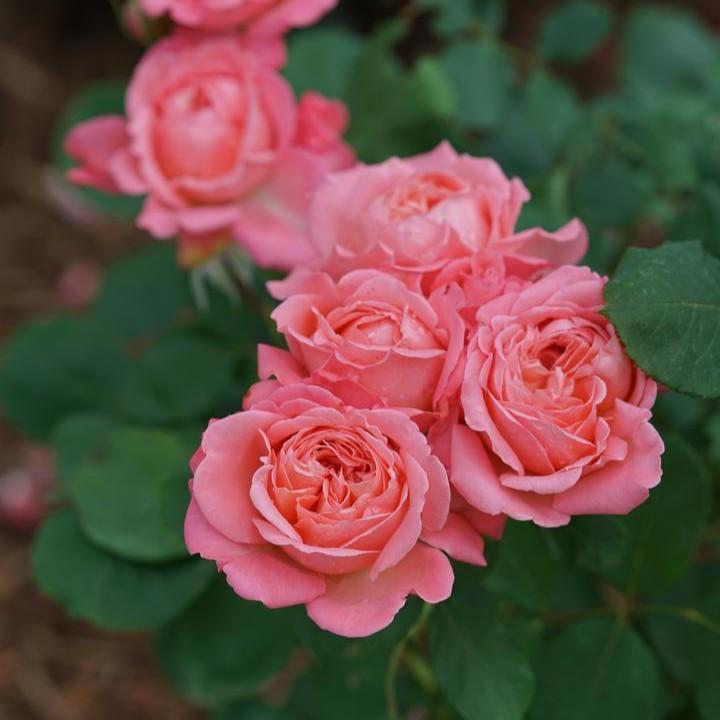
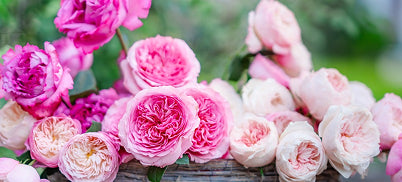
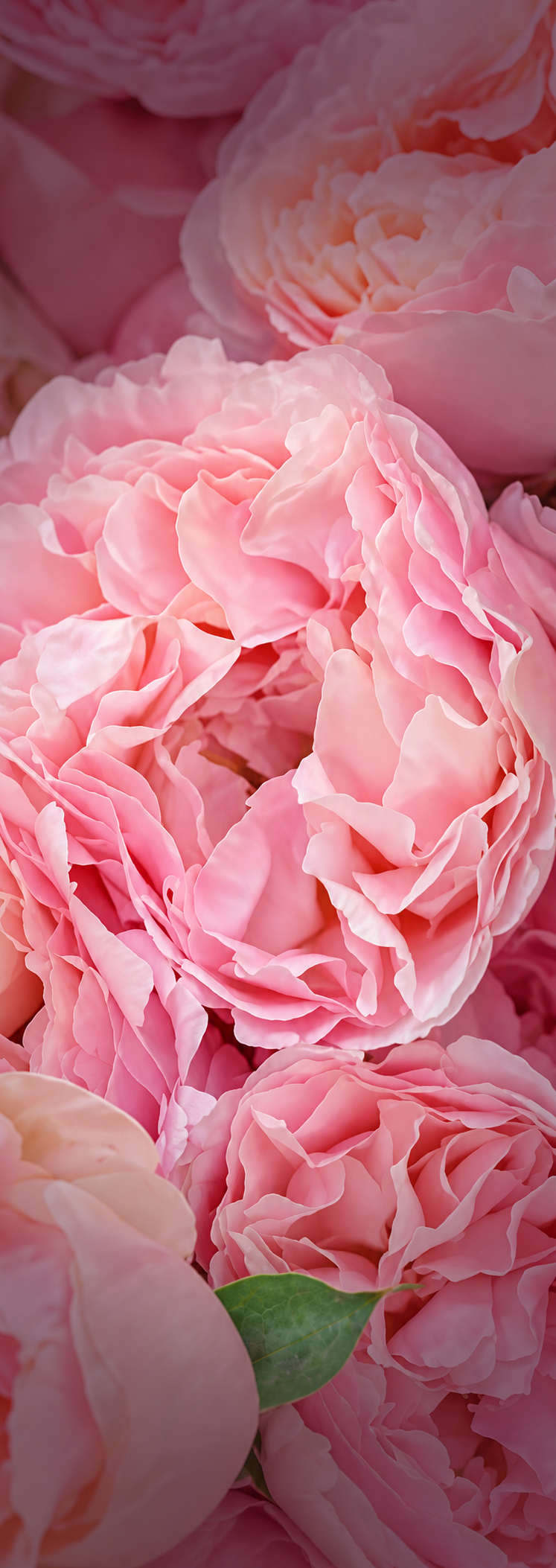
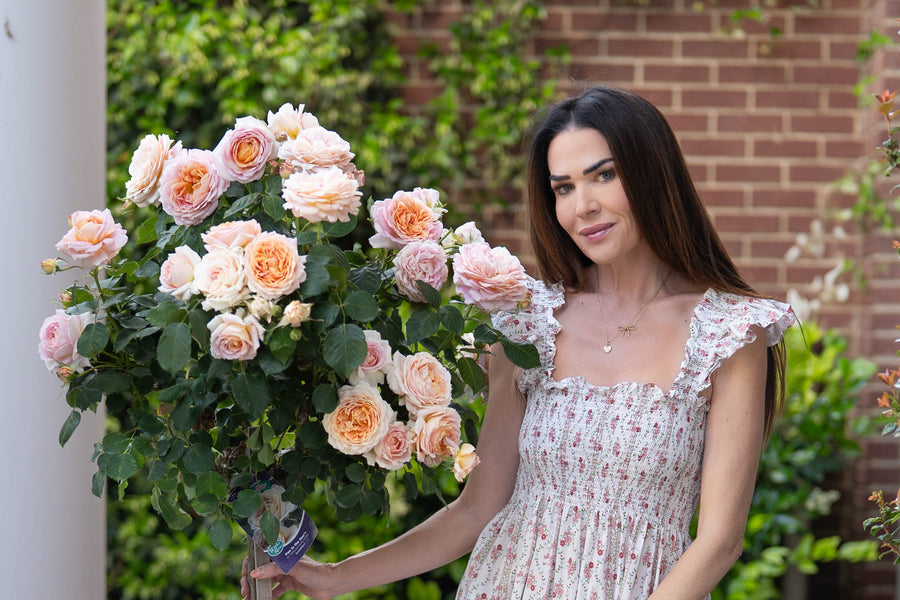
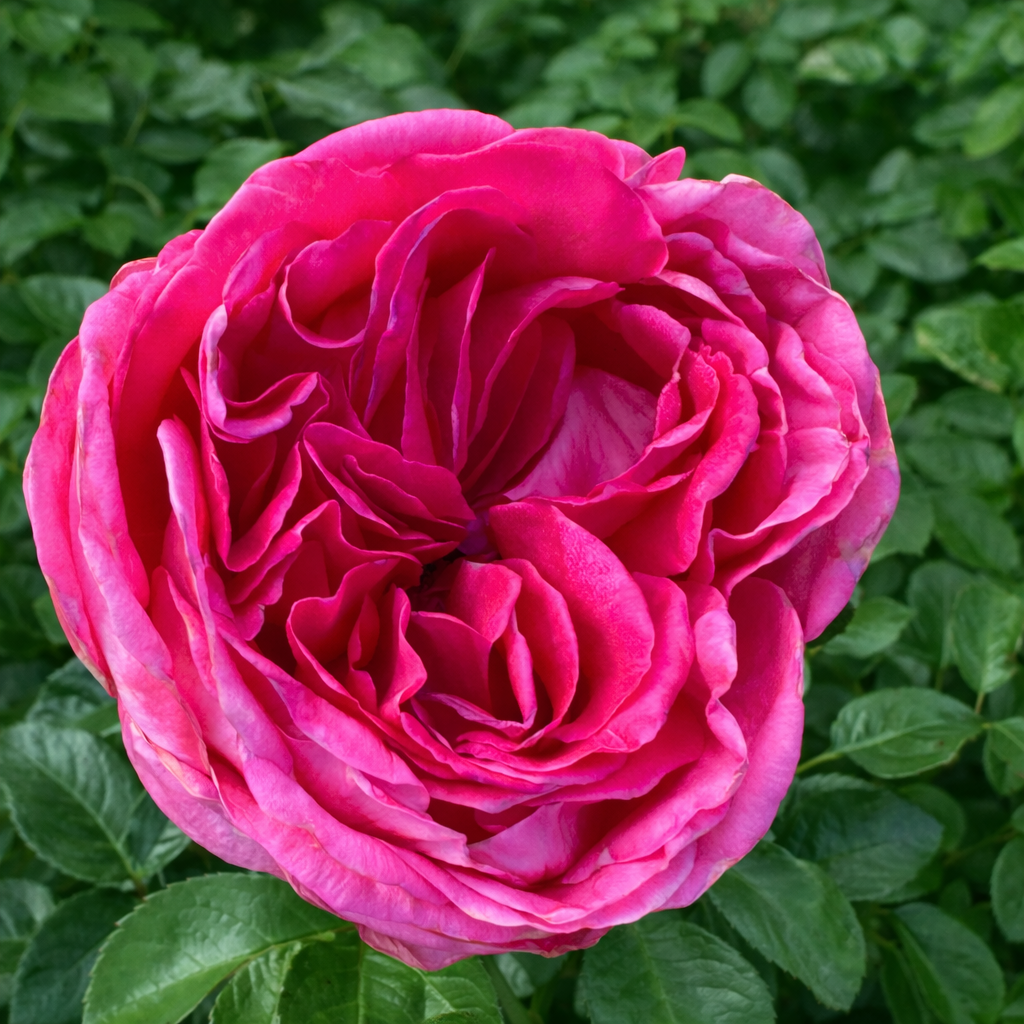
The rose was unlike anything she had ever seen — hugely cupped, deeply fragrant, rich with layer upon layer of petals that seemed to gather themselves like silk into the center. Its foliage was dark, glossy, and healthy, the whole plant compact and beautifully formed. It looked at once noble and intimate, as though meant for grand estates and humble hands alike.
She lifted the bloom to her face and breathed in. It smelled of beauty, certainly — but also of distance, mystery, and possibility.
That day, she understood something she had never fully known before: plants carry stories. They travel in cuttings, in seeds, in memory, in hands from one place to another. A rose, like a person, can come from far away and still find its home.

Her Father’s Hidden Past
Not long after the rose bloomed, Adélaïde went searching in a cupboard for linen and found, tucked behind folded blankets and old ledgers, a weathered wooden chest she had never seen before.
Inside lay a secret life.
There were pressed plants labeled in careful handwriting. Sketches of formal gardens and hidden courtyards. Notes on rare roses and faraway landscapes. Maps worn thin at the folds. A ribbon from Vienna. A card from Lyon. A pencil drawing of terraces that might have been Italian, or perhaps somewhere even farther. Her hands trembled as she turned each page.
When she carried the chest to her father, he looked at it with surprise first, then surrender, as though the past had finally come to claim its place in the light.
He told her then what he had never told her fully before: that in his younger years he had not always been the quiet village gardener she had known. He had once traveled. He had worked in noble gardens. He had learned from master growers. He had seen estates, palace grounds, and hidden walled gardens most people only imagined. Illness, loss, and time had slowly folded that life away.
“I thought I had buried that part of myself,” he said softly. “But perhaps I only planted it. Perhaps it was meant to bloom in you.”
For Adélaïde, the chest became more than a keepsake. It became a blueprint — proof that one could belong to beauty, to movement, to the wider world, even if life had changed its course.

What Bloomed Next
Adélaïde-Grace began to propagate the rose.
She learned to take cuttings, to root them, to wait, to fail, to try again. Soon she had not only one magnificent bush, but several. Then more. She began gathering bouquets from the parterre and from the new roses she had coaxed into life, arranging them with herbs, ribbon, and thoughtful beauty.
And always, tucked among the wrapping or tied beneath the stems, she included a pressed flower note.
Her bouquets traveled to the very people she had met through letters — and beyond. To lonely widows. To daughters caring for aging parents. To invalids in city apartments. To brides with uncertain futures. To homes that had known too much silence. She made it her quiet mission to find those who felt forgotten and send them something living, fragrant, and full of meaning.
What had once begun as longing became connection. What had once felt like confinement became calling.
In time, Adélaïde understood that she did not have to choose between staying and becoming. She did not have to abandon the cottage or her father in order to live a beautiful, expansive life. The world had come to her in letters, in petals, in sketches, in stories, in roots, and in roses. She could explore gardens across Europe through friendship, exchange, and imagination — and still remain where she was most needed.
So she stayed.
Not because her dreams had diminished, but because they had deepened. She stayed to care for her father. She stayed to grow beauty. She stayed to send courage, resilience, remembrance, and hope tucked into bouquets for strangers who no longer felt so strange.
And in the little cottage beside the parterre garden, Adélaïde-Grace built a life that reached far beyond its gate.
For some girls, adventure begins with departure. For Adélaïde-Grace, it began when she realized that love, cultivated faithfully, can carry a person farther than she ever dreamed. her heart grew bigger - just like her beloved new rose.

and some bloom in the hearts they reach.”