









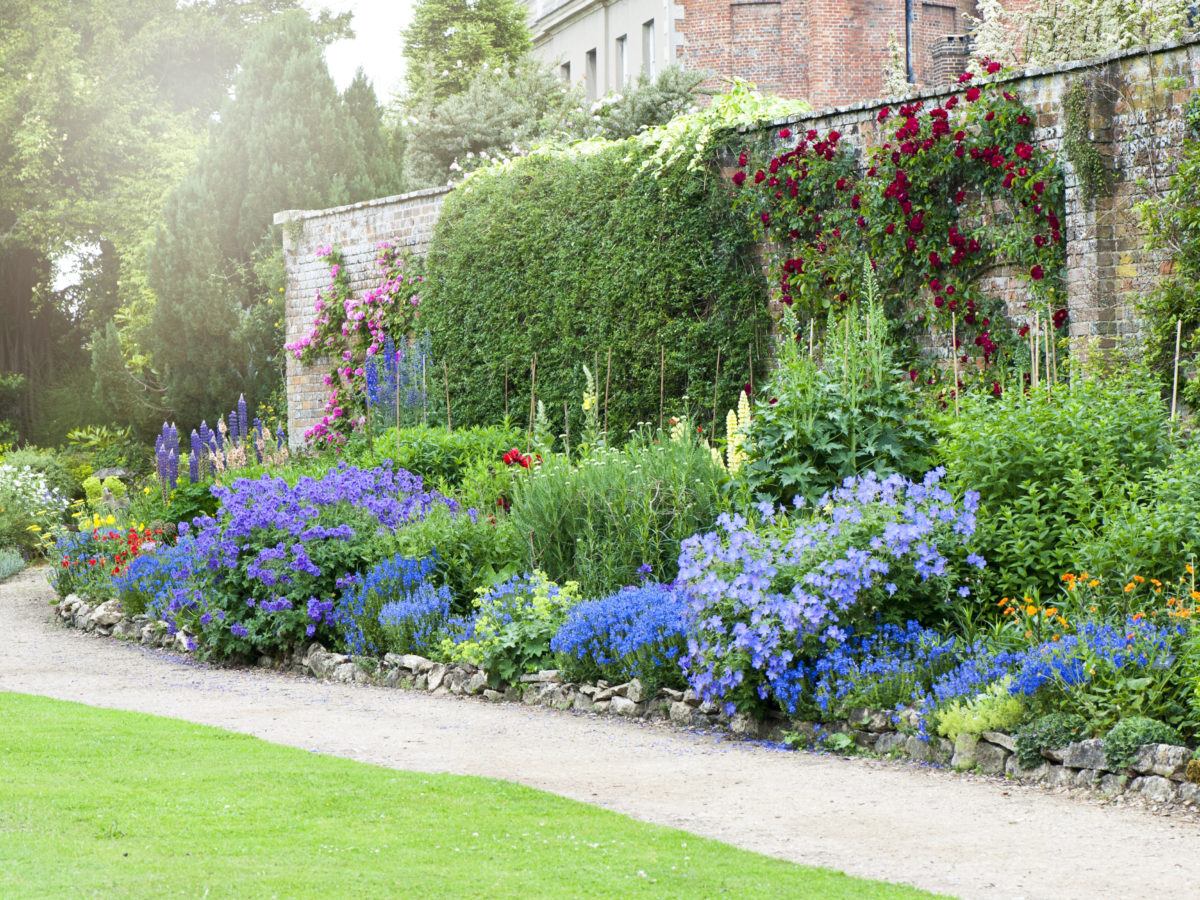
The Edwardian Mixed Border
Using Roses as Atmosphere, Not Ornament
There is a moment in the garden when the day exhales. Light softens, edges blur, and what once looked like a collection of plants becomes—almost imperceptibly—a composition.
The Edwardian mixed border lives in this transition. It is a garden built not on symmetry or spectacle, but on atmosphere. Here, roses are not the performance. They are the undertone—placed with restraint, intention, and deep sensitivity to the plants around them.
This is a style that rewards patience, observation, and a painter’s eye.

A Border Shaped by a Painter’s Mind
At the heart of the Edwardian mixed border stands Gertrude Jekyll, whose training as a painter informed everything she touched. She believed gardens were not collections of plants, but compositions of tone, form, movement, and shadow.
Roses, in her view, were never meant to dominate. They were pauses. Pivots. Quiet deepening notes within a longer visual sentence.
Placed thoughtfully, a rose could heighten emotion without interrupting flow—adding gravity rather than stealing attention.
Color That Moves, Not Clashes
This is not a static garden. It breathes.
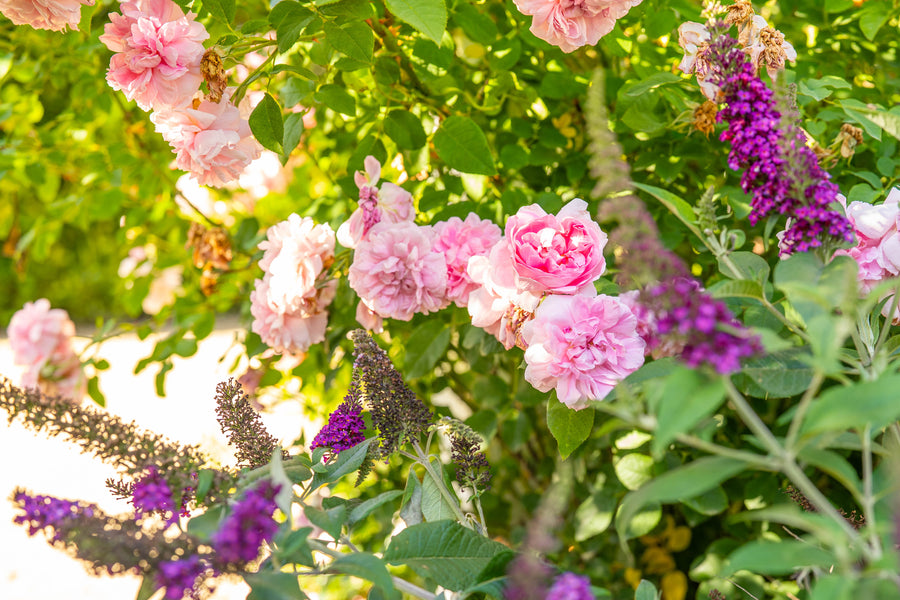
The Edwardian border unfolds in long, painterly gradients—cool blues softening into mauve, warming briefly to apricot, then resolving again into silvery calm. When a rose enters this space, it does so with intention.
-
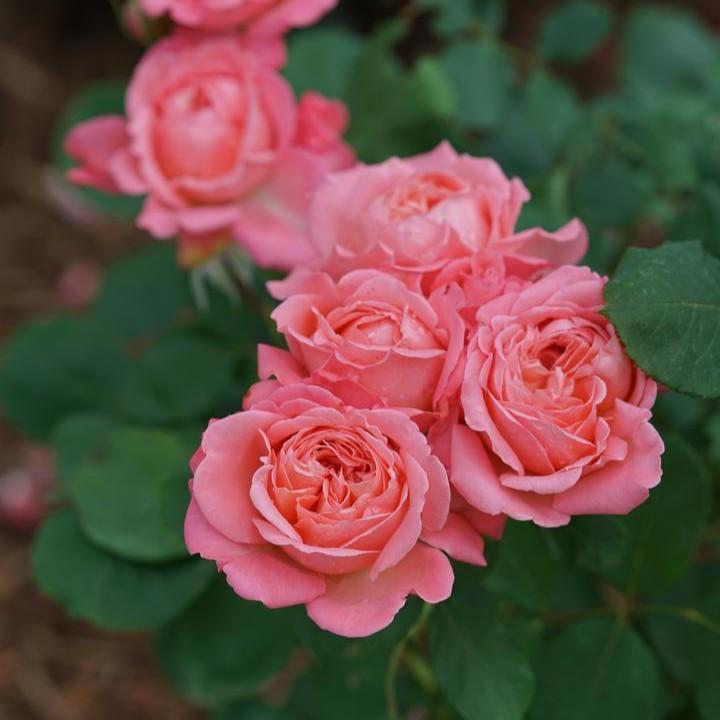
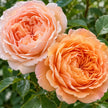
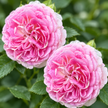
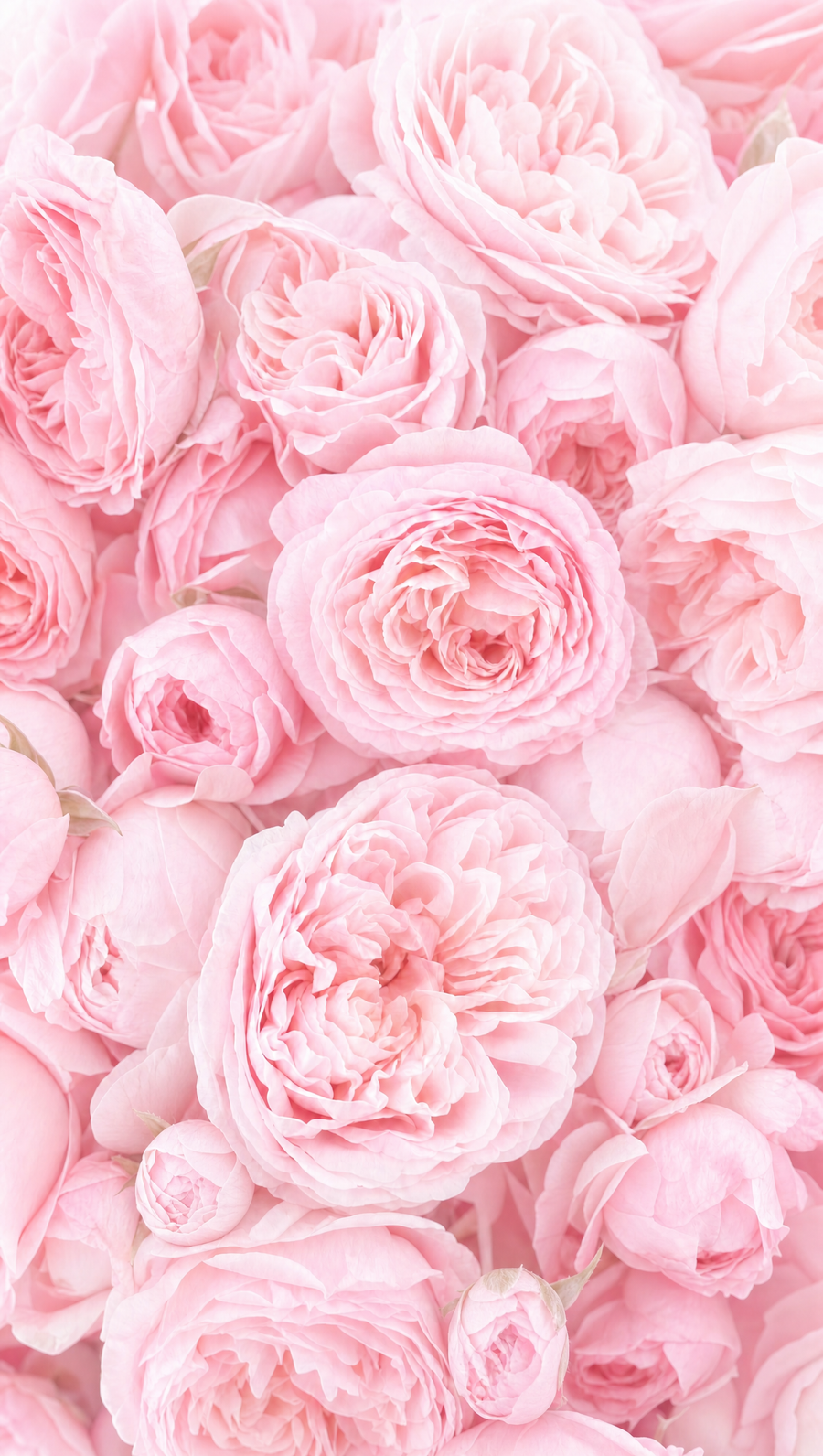
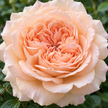
A blush rose emerging from a haze of nepeta reads like a lantern at dusk.
-
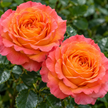
A warm apricot shrub beside fennel feels like a small fire in cool morning air.
-
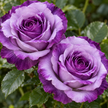
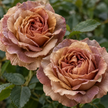
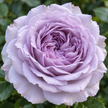
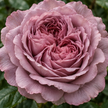
A smoky mauve rose deepens the entire palette around it, pulling neighboring colors into harmony.
Here, color is not decoration. It is movement.
Roses as Brushstrokes
Success in an Edwardian border depends on seeing plants not as specimens, but as marks on a canvas.
Delphiniums rise like vertical strokes of sky.
Astrantia trembles like scattered stars.
Catmint pools low along the path’s edge.
Through this tapestry, a rose with upright carriage and gentle fragrance becomes visual punctuation—present, grounding, but never interruptive.
Roses chosen for this role must behave with composure. They should integrate, not insist.

Roses That Belong in the Border
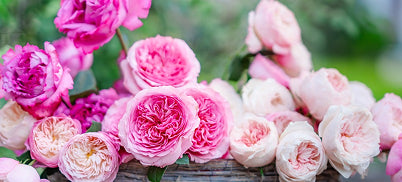
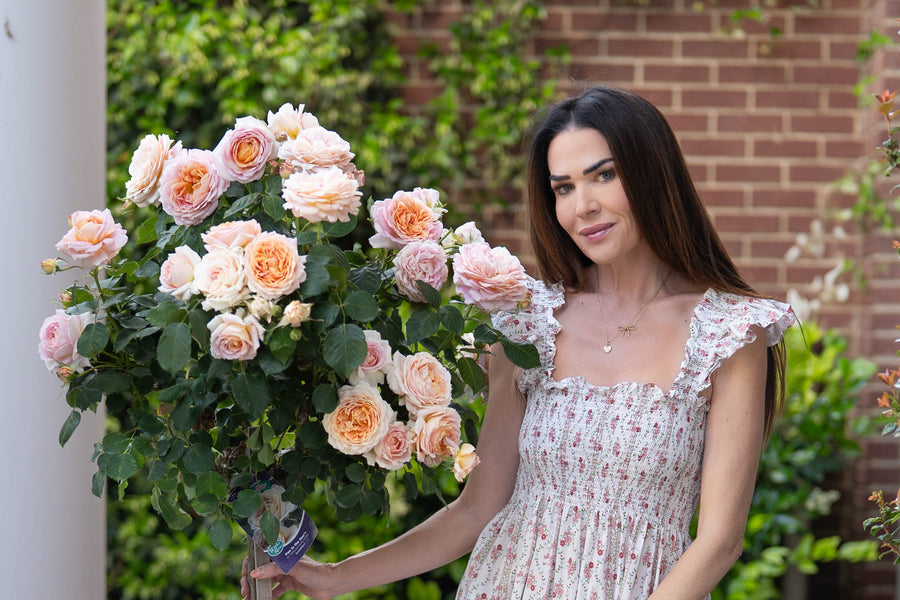
The best roses for an Edwardian mixed border are those with grace, restraint, and a quiet generosity, roses that settle into the composition as though they have always belonged.
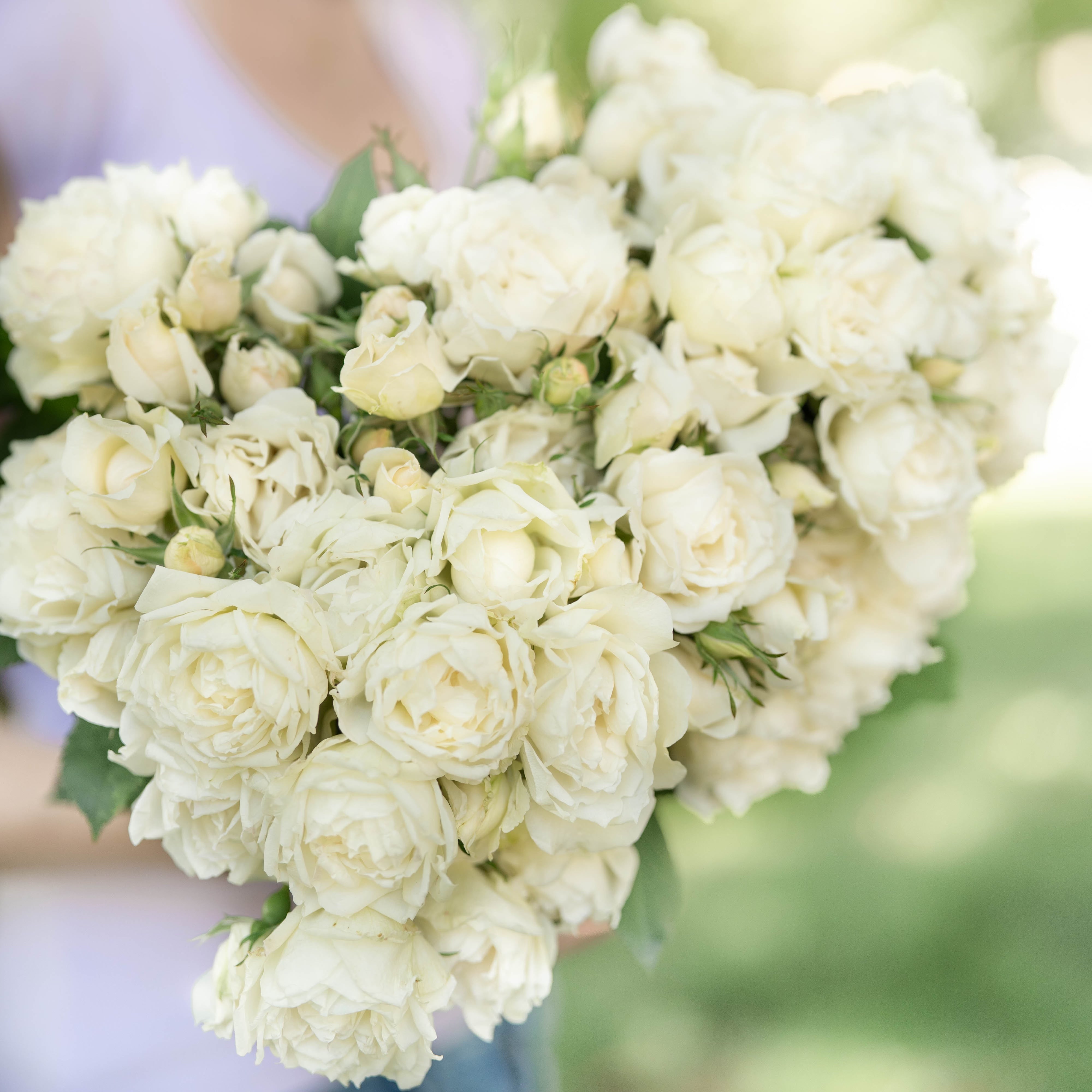
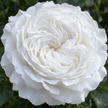
- Bolero brings a soft, luminous presence, its creamy white blooms and extraordinary fragrance weaving effortlessly through perennials, catching the light without ever overpowering it.
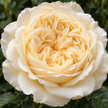
- Living the Dream offers romantic blush tones with a gentle warmth, creating a sense of softness that pairs beautifully with billowing textures and airy companions.
- Reflecting Glory carries a refined elegance, its blooms unfolding with quiet confidence, adding structure while still feeling light within the border.
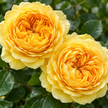
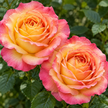
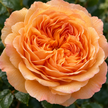
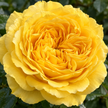
- Sunset Celebration introduces a warm, glowing palette of apricot and gold, bringing depth and richness that shifts beautifully throughout the day.
- Elegant La Perla lends a timeless sophistication, with perfectly formed blooms that feel at home among classic Edwardian plantings.
- Bonica adds a cheerful softness, its blooms brightening the border in a way that feels natural and effortless.
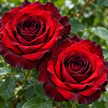
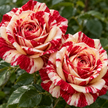
- Passionate Kisses completes the composition with a gentle vibrancy, offering color that enlivens the palette while still maintaining harmony.
These are roses that belong, never demanding attention, always enhancing what surrounds them.
Designing the Edwardian Border: Think in Layers
To design a successful Edwardian mixed border, think vertically and texturally rather than plant-by-plant.
Height
Delphinium, verbascum, foxglove
Middle Layer
Roses, campanula, geranium, astrantia
Grounding Texture
Stachys, hardy geranium, alchemilla
All elements are woven in color sequences that feel inevitable rather than arranged.
Spacing matters. Roses should breathe—never crowded, never isolated. They should feel as though they emerged naturally from the surrounding perennials.
A Garden That Improves With Time
One of the defining traits of the Edwardian border is continuity.
When the first flush of roses fades, the garden does not collapse. Perennials rise. Seedheads form structure. The border moves into late summer maturity with confidence.
Roses here must look good out of bloom—their foliage, hips, and structure contributing to the garden’s ongoing character. This is a border that matures through time rather than moments.
The gardener’s role becomes editorial rather than controlling: observing, refining, and gently guiding the border as it finds its own coherence.

The Quiet Intelligence of the Edwardian Border
To stand in an Edwardian mixed border in the evening is to feel a rare kind of calm. Nothing shouts. Everything belongs.
The roses—subtle, atmospheric, assured—embody the border’s quiet generosity. They remind us that the most powerful gardens are not those that announce themselves, but those that reveal their intelligence slowly, in the softening light of day’s end.